


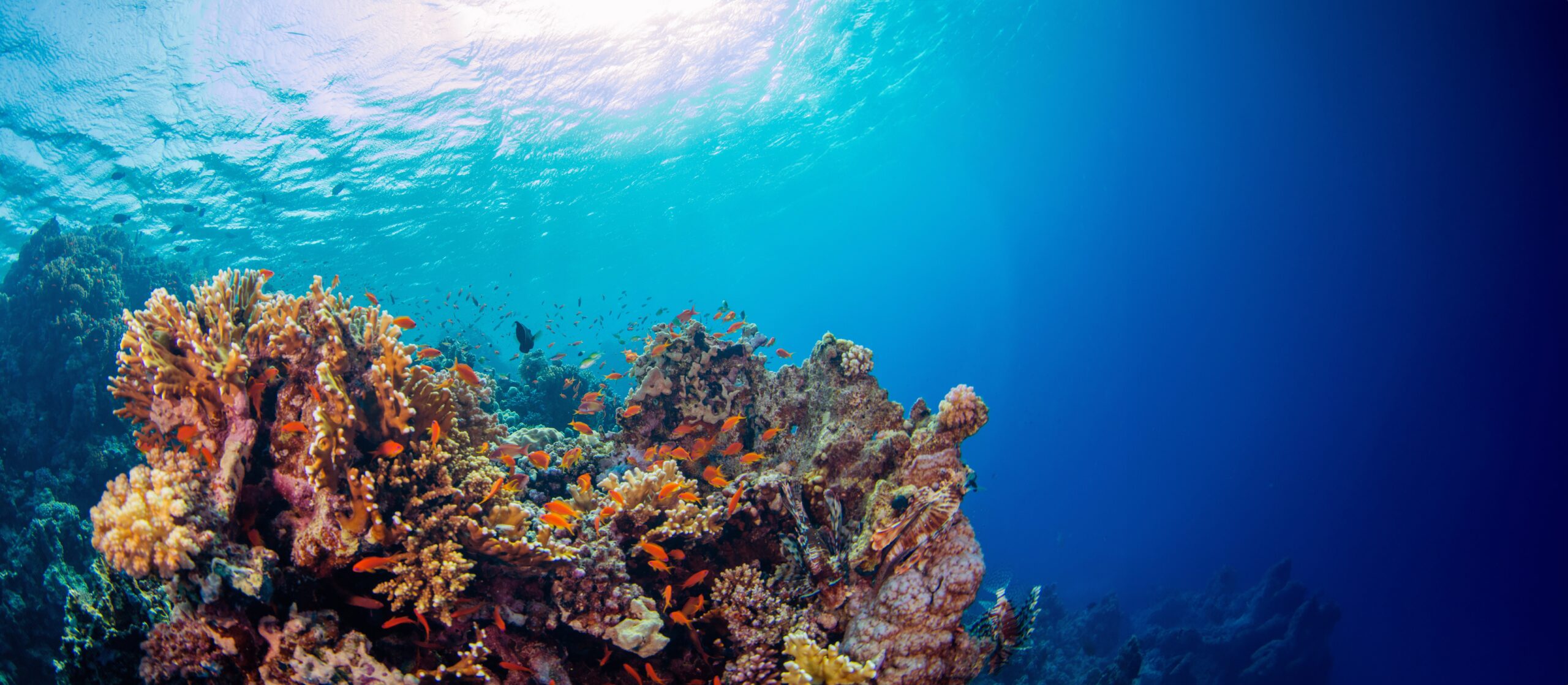
The world’s oceans have crossed a dangerous threshold in acidity for the first time, threatening marine ecosystems and human food security, according to the 2025 Planetary Health Check by the Potsdam Institute for Climate Impact Research.
The report found that ocean surface pH has dropped by 0.1 units since the industrial era, a 30-40% rise in acidity driven by fossil fuel emissions. This shift disrupts the ability of marine organisms like corals, molluscs and shellfish to form skeletons and shells, with cascading effects on fish, whales and other species higher up the food chain.
Oceans, which cover 71% of Earth, act as key climate stabilisers by absorbing carbon dioxide and heat. Scientists warn rising acidity could weaken this role, undermining their ability to draw down atmospheric carbon. Cold-water corals, tropical reefs and Arctic ecosystems are especially at risk.
The report said seven of nine planetary boundaries have now been breached, including climate change, biosphere integrity and freshwater use. Researchers stress urgent action is still possible through cutting fossil fuels, reducing pollution and managing fisheries.
Levke Caesar, co-lead of the Planetary Boundaries Science Lab, said: “Looking at this data, when I allow myself to connect to it emotionally, then I am afraid. This really scares me.”
Past successes such as the Montreal Protocol’s ozone recovery prove that international cooperation can reverse environmental decline, the authors said. Institute director Johan Rockström added: “Failure is not inevitable; failure is a choice. A choice that must and can be avoided.”

