


A vision for a healthy planet and population
By 2050, everyone on Earth could eat nutritious, culturally diverse food while helping the planet heal. A new report from the 2025 EAT-Lancet Commission on Healthy Diets From Sustainable Food Systems shows how a “planetary health diet” could make this possible.
The study says that combining this diet with higher agricultural efficiency and less food waste could feed 9.6 billion people sustainably. Experts from over 35 countries worked on the research, which found that global food-related emissions could fall by more than half if nations act together.
Currently, food production, processing, and transport create about 30% of global greenhouse gases. Most of the rest come from burning fossil fuels and clearing forests for farmland.
What the planetary health diet looks like
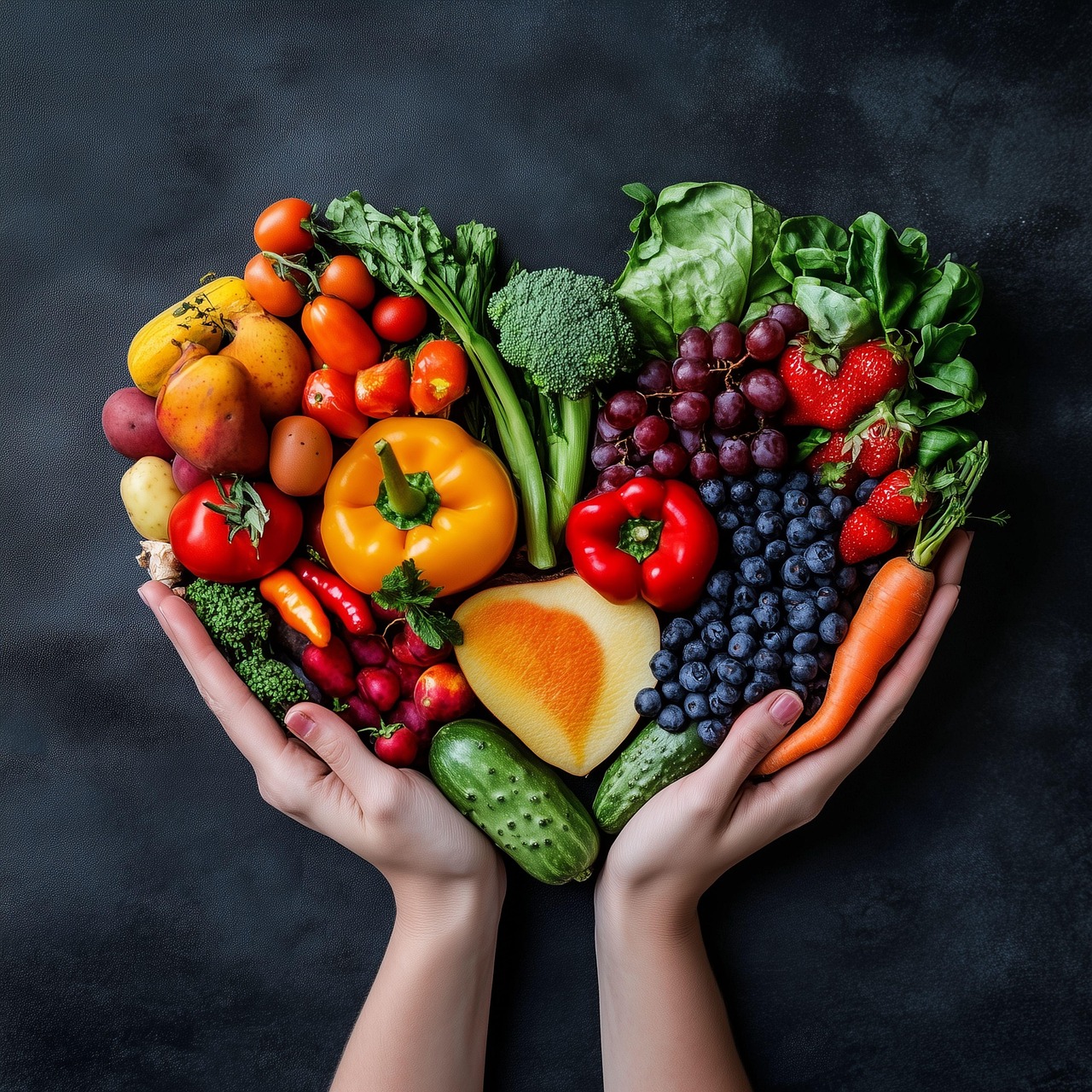
This diet focuses on plants: fruits, vegetables, whole grains, legumes, and nuts. It includes modest portions of meat and dairy but limits added sugar, salt, and saturated fat. “It’s a diet that supports both health and the planet,” said Dr. Walter Willett of Harvard University.
He recommends one daily serving of dairy and one serving of animal protein, like fish, poultry, or eggs. Red meat, such as beef and pork, should be limited to 4 ounces once a week. “It’s not restrictive,” Willett said. “It’s a modern version of the Mediterranean diet — flexible and balanced.”
More than food choices
Johan Rockström, co-chair of the commission and director of the Potsdam Institute for Climate Impact Research, said food habits alone won’t fix the crisis. “We must reduce food waste and adopt sustainable farming and water practices,” he said. “Healthy, affordable food must be available to everyone.”
Industry backlash returns
The first EAT-Lancet report in 2019 estimated that adopting the planetary health diet could prevent 11.6 million premature deaths each year. The 2025 update raises that estimate to 15 million. In the U.S., Willett said, about 31% of premature adult deaths could be prevented.
The report also found that transforming the food system could save $5 trillion annually by cutting health costs, restoring nature, and slowing the climate crisis. Achieving that would require between $200 and $500 billion — a small share of the potential savings.
However, opposition has already begun. In 2019, campaigns like #YestoMeat tried to discredit the commission’s findings. “We are again seeing misinformation and climate denialism,” Rockström warned.
Willett noted that some political groups, like the “Make America Healthy Again” movement led by U.S. Health and Human Services Secretary Robert F. Kennedy Jr., promote meat-heavy diets while downplaying livestock’s climate impact. “Our work relies on independent science,” he said. “It’s not influenced or censored.”
The cost of inaction
If current trends continue, emissions from farming will rise by 33% by 2050. Nearly 70% of the world’s ecosystems have already lost over half their natural spaces, mainly to agriculture.
But a planetary health diet could change that. The commission projects emissions would fall by about 60% compared with 2020 levels. Cattle numbers would drop by 26%, freeing 11% of global grazing land. “That could stop deforestation in the Amazon,” Willett said. “We must stop feeding crops to animals at the cost of forests.”
Meanwhile, aquatic food production could increase by 46%. Vegetables could grow by 42%, fruits by 61%, nuts by 172%, and legumes by 187%. Overall, food prices would fall by around 3%.
A roadmap for fair food
Christina Hicks from Lancaster University said that the richest 30% of the global population cause more than 70% of all food-related environmental harm. Fewer than 1% of people currently meet their food needs without damaging ecosystems.
The commission suggests shifting subsidies from meat and dairy toward sustainable crops like grains, legumes, fruits, and vegetables. Governments could also tax foods high in salt, sugar, or saturated fats and place warning labels on unhealthy products. “Affordability and purchasing power must grow together,” said Line Gordon from Stockholm University.
Willett added that embracing traditional, plant-rich diets can help preserve culture and sustainability. “The planetary health diet doesn’t force one model on the world,” he said. “It respects diversity and helps every community eat well — without destroying the Earth.”

