


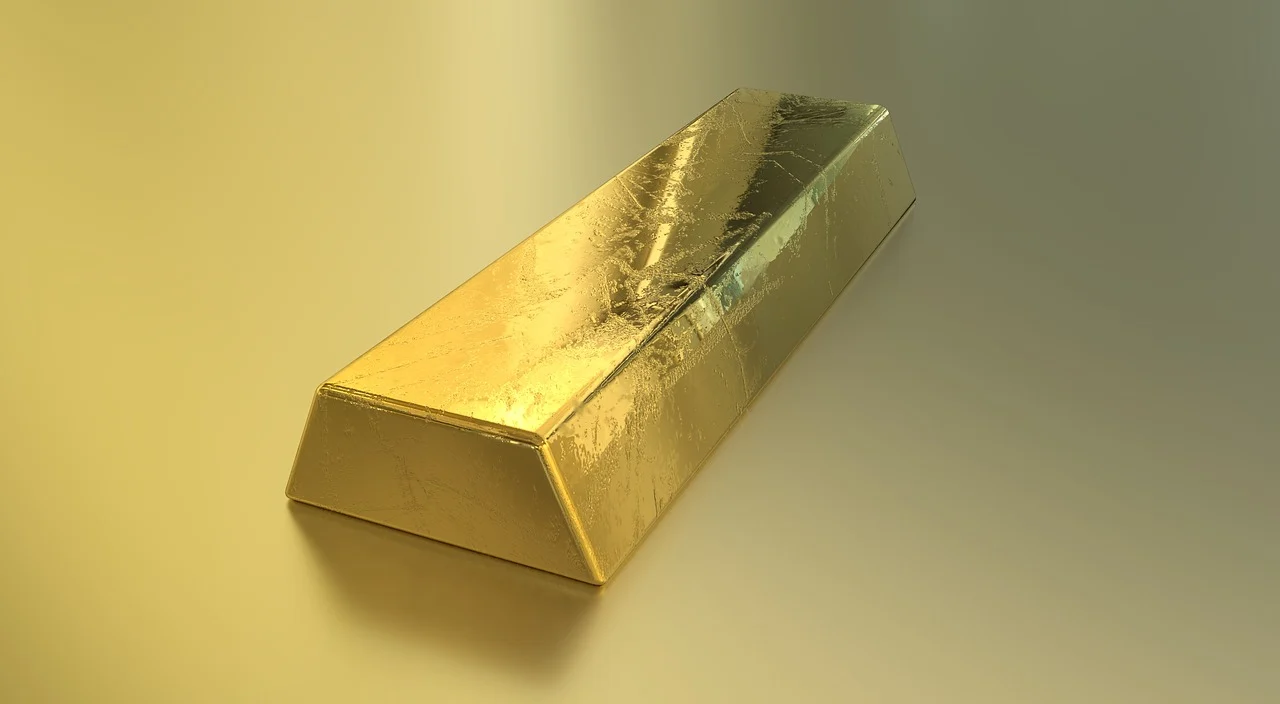
Gold has shattered records, rising above $4,000 (£2,985) an ounce for the first time. Investors are rushing into the precious metal as global political and economic instability deepens. The surge marks gold’s strongest rally since the 1970s. Prices have jumped by nearly one-third since April, when US President Donald Trump’s new tariffs disrupted international trade and rattled financial markets.
Shutdown turmoil shakes markets and drives gold higher
The ongoing US government shutdown, now entering its second week, has heightened investor unease. Analysts say delays in releasing key economic data have made markets even more nervous. Gold, widely seen as a safe haven in times of crisis, has benefited from the uncertainty. On Wednesday afternoon in Asia, the spot price — the rate for immediate delivery — climbed past $4,036 an ounce. Gold futures, which reflect market expectations, reached the same level on 7 October. Futures contracts allow traders to lock in a price to buy or sell gold later.
Political gridlock turns into fuel for the gold rally
Christopher Wong, a rates strategist at OCBC in Singapore, described the US shutdown as a “tailwind for gold prices.” He said repeated political standoffs over government spending have made investors more risk-averse. During Trump’s first term, gold rose almost 4% during a similar shutdown. Wong warned, however, that prices could drop if the government resolves the deadlock faster than expected.
Analysts stunned by gold’s unstoppable momentum
Heng Koon How, head of markets strategy at UOB Bank, said gold’s “unprecedented rally” has surpassed all forecasts. He linked the surge to a weaker US dollar and a flood of new retail investors entering the market. Many are investing through exchange-traded funds (ETFs) rather than buying physical gold. According to the World Gold Council, a record $64 billion has been invested in gold ETFs this year alone.
Gold rush spreads from the wealthy to everyday investors
Gregor Gregersen, founder of Silver Bullion, said his company has seen customer numbers more than double in the past year. He said retail investors, banks, and wealthy families are increasingly using gold to shield themselves from global instability. “Most of our clients are long-term holders,” Gregersen said, adding that many keep their gold for more than four years. “Gold will fall again at some point, but I expect it to stay strong for at least five more years,” he predicted.
Warning signs linger behind the glitter
Despite the surge, analysts caution that gold’s rise could falter. OCBC’s Wong said prices might drop if central banks lift interest rates or if geopolitical tensions ease. In April, gold lost about 6% after Trump decided not to remove Federal Reserve Chair Jerome Powell. “Gold acts as a hedge against uncertainty, but that hedge can quickly unravel,” Wong said.
In 2022, gold’s price tumbled from $2,000 to $1,600 an ounce after the Federal Reserve raised rates to combat inflation following the pandemic, Heng noted. A sudden return of inflation could again push the Fed to act, threatening gold’s current rally.
Trump’s pressure on the Fed heightens market tension
Wong said gold’s rise reflects expectations that the Federal Reserve will soon cut interest rates, making the metal more appealing. Yet Trump’s growing criticism of the central bank has unsettled investors. He accused Jerome Powell of moving too slowly and even tried to dismiss Fed Governor Lisa Cook. Wong warned that such political interference “undermines confidence in the Fed’s credibility as an inflation-fighting institution.” In a world filled with political tension and economic fragility, he added, gold’s role as a safe haven “has rarely been more essential.”

