


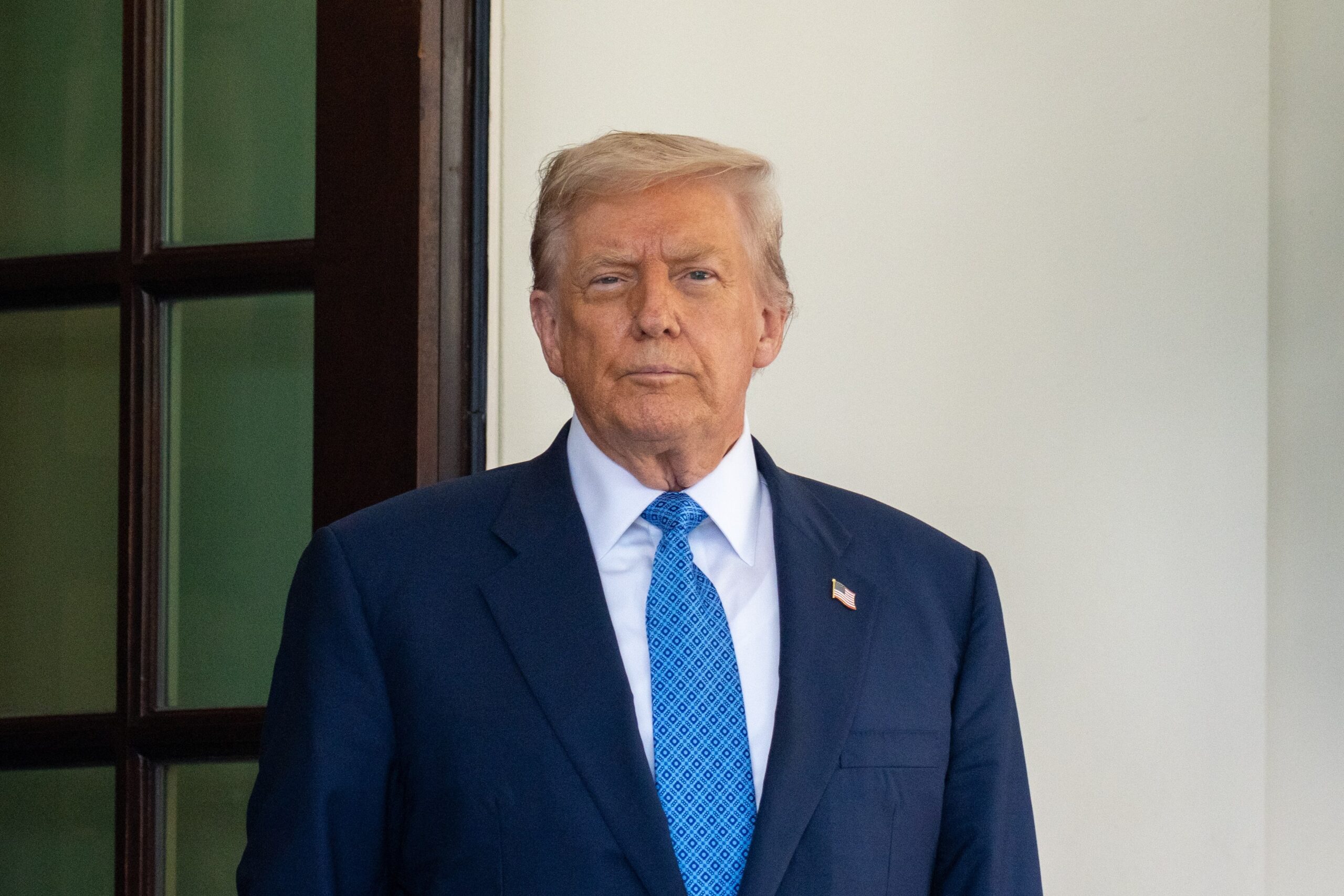
A surprise phone call between US President Donald Trump and Russian President Vladimir Putin on Thursday sent shockwaves through Kyiv. The two leaders agreed to meet soon to discuss the war in Ukraine, a decision that blindsided the Ukrainian government.
Ukraine was already reeling from a fresh wave of Russian strikes. In just 24 hours, Moscow launched dozens of missiles and more than 300 drones at various targets. Many hit civilian infrastructure, damaging gas networks as freezing temperatures approach. Power outages now sweep across the country as attacks cripple the electrical grid.
Russia’s aggression hides deep frustration
For Ukrainian officials, the strikes reveal Moscow’s growing desperation. The battlefront remains at a stalemate, with enormous casualties and minimal territorial changes. At the same time, Ukraine’s drone attacks on Russian oil facilities continue to hurt the Kremlin’s economy.
President Volodymyr Zelensky had pinned his hopes on fresh US military aid to maintain pressure on Russia. Before departing for Washington, he appeared confident. He hinted that Trump was finally beginning to see Ukraine’s perspective—a major shift from their angry Oval Office exchange in February, when Trump accused him of “gambling with World War Three.”
The long-awaited Tomahawk deal
After the failed Trump-Putin meeting in Alaska in August and escalating Russian attacks, many in Kyiv believed Trump’s patience with Putin was fading. Zelensky’s team hoped this week’s talks would secure approval for long-range Tomahawk missiles.
Trump’s irritation seemed obvious when he told reporters, “Do they want Tomahawks going in their direction? I don’t think so.” Military analysts, however, doubt the missiles would immediately change the course of war. Complex logistics could delay deployment for months.
Even so, the Tomahawks would give Ukraine a new level of power, allowing it to strike deeper inside Russia. They would also send a clear signal that Washington’s stance toward Moscow was shifting.
A call that changed the tone mid-air
Trump and Putin spoke for two and a half hours while Zelensky was flying to Washington. The timing undermined his diplomatic moment. Still, Zelensky stayed composed. After landing, he said Russia was “rushing to renew dialogue” because of talk about Tomahawks.
Some observers see the move as classic Putin strategy. The Kremlin confirmed the call took place at Moscow’s request. Putin warned that sending Tomahawks would be a “serious provocation.” The two leaders also discussed what Russia described as “colossal trade prospects” if peace could be achieved.
They agreed to meet in Hungary within two weeks. Trump later called the exchange “very productive.”
A bitter winter ahead
As Ukraine faces its fourth wartime winter, few citizens believe Trump can deliver peace. One woman, wounded in a Russian missile attack on a train carriage, said from her hospital bed: “A person like Putin can’t be trusted.”
Upon arriving in Washington, Zelensky met with defense executives who manufacture the advanced weapons his country needs. He will still ask for the Tomahawks, but his odds look worse than before the Trump-Putin call.
The recurring cycle of persuasion
Each time Trump grows frustrated with Putin, the Russian president manages to charm him back. A single phone conversation often changes Trump’s tone, softening his threats of sanctions or advanced weapon deliveries.
The upcoming Hungary summit, offered without conditions, doesn’t suggest fading US patience. For now, Ukraine’s hopes for Tomahawks seem distant once again. Instead of weapons, Zelensky has been handed a diplomatic setback—one that may reshape his strategy for survival.

