


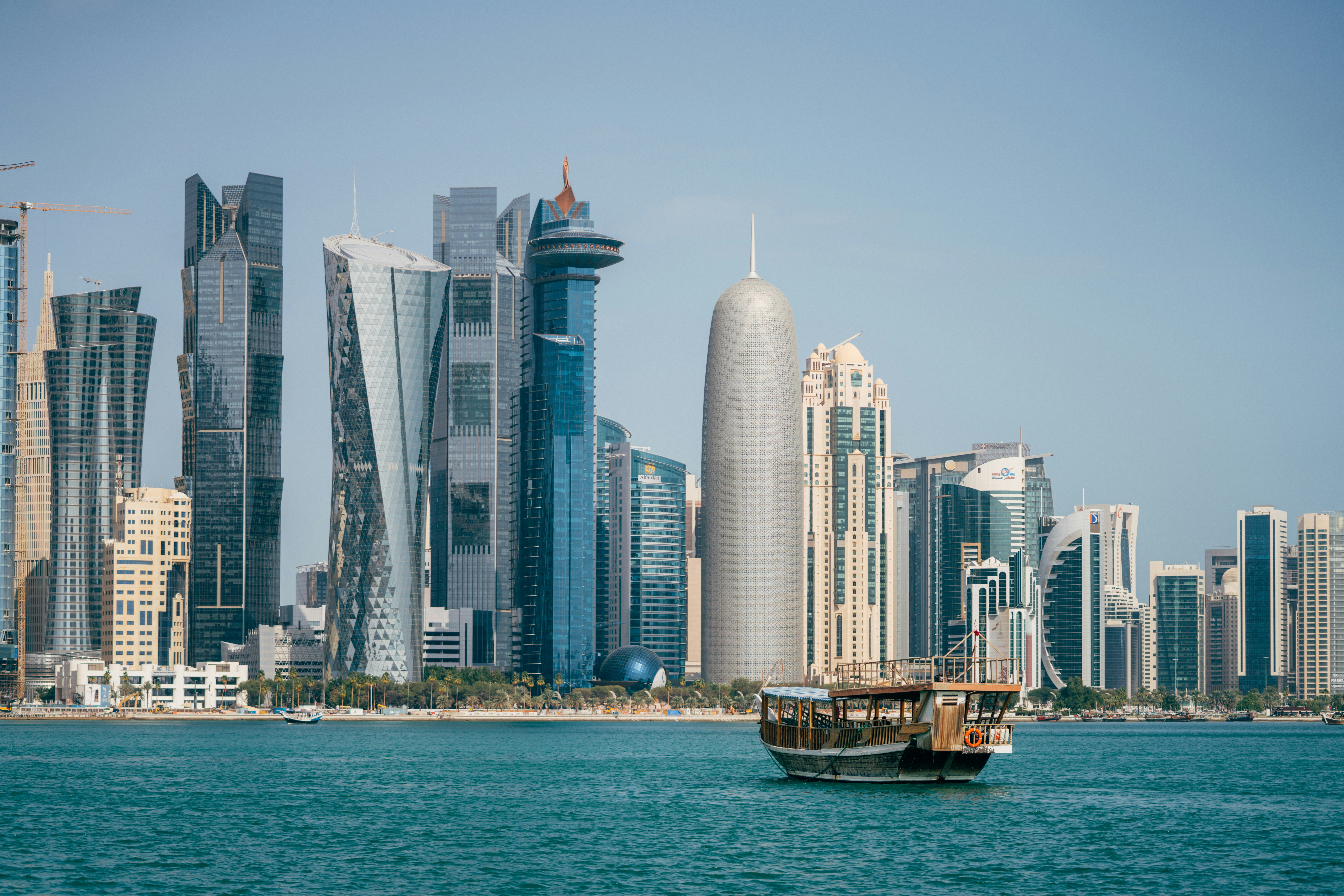
Afghanistan and Pakistan agreed to resume peace talks in Qatar to define terms for lasting stability. Both governments accepted a ceasefire after meetings with Qatari mediators in Doha, Qatar’s Foreign Ministry confirmed. The agreement ends a week of intense border clashes that killed dozens and injured hundreds. Afghan and Pakistani representatives will meet again soon to strengthen peace mechanisms and maintain the truce. Turkish envoys also helped negotiate the deal.
Escalation and Retaliation Along the Border
Violence surged earlier this month as both nations blamed each other for attacks. Afghanistan denied hosting militants who launch strikes across the frontier, a major Pakistani concern. Pakistan has battled rising militancy along its western border since the Taliban regained power in 2021. The renewed fighting endangered a volatile region where Islamic State and al-Qaeda seek to rebuild.
Hours after a 48-hour ceasefire expired on Friday, Pakistan launched airstrikes into Afghanistan’s Paktika province. Islamabad said the strikes targeted Hafiz Gul Bahadur militants and killed dozens of fighters without harming civilians. Officials linked the strikes to a suicide bombing at a Pakistani security compound in Mir Ali a day earlier. Taliban officials countered that the air raids killed ten civilians, including women, children, and local cricket players.
Fallout and Continuing Tensions
Afghanistan’s cricket board boycotted a tournament in Pakistan after the deaths. The International Cricket Council expressed sorrow for the young Afghan players lost. Taliban spokesman Zabihullah Mujahid condemned Pakistan’s “repeated crimes” and accused it of violating Afghan sovereignty. He said such attacks aimed to prolong conflict.
Pakistan’s army chief, Asim Munir, urged Afghanistan to choose peace over extremism and stop harbouring militant proxies. Delegations from both countries gathered in Doha to continue discussions. The two nations share the 2,600-kilometre Durand Line, which Afghanistan refuses to recognise, viewing it as a colonial-era imposition. Kabul maintains that the border divides Pashtun tribes and rejects its legitimacy. Afghanistan instead recognises the 1947 boundaries, which overlap parts of Pakistan, fueling decades of clashes and tribal disputes.

