


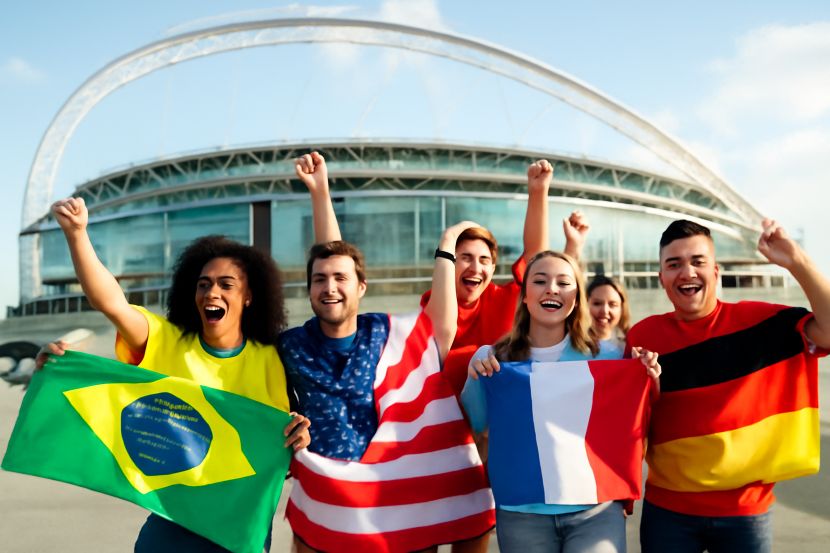
U.S. airlines and tourism stakeholders are gearing up for a major increase in travel tied to upcoming sports events in 2026. With events like the World Cup on the horizon, both domestic and international travel demand is expected to rise sharply. Airlines are expanding seat capacity, while cities and tourism operators plan enhanced services and infrastructure to accommodate the influx of visitors.
American Airlines, for example, is adding 27,000 extra seats across 12 major routes in summer 2026. These routes connect cities hosting World Cup matches and other large events. Travelers will benefit from greater flight options, making it easier to attend games or explore multiple destinations during a single trip.
The airline is also offering additional perks for loyalty program members. AAdvantage members can redeem miles for match tickets, allowing fans to plan multi-leg itineraries around the tournament. This strategy encourages longer stays and increased domestic travel, boosting local economies in host cities.
Sports tourism has a history of creating short-term spikes in travel demand. Analysts predict that the 2026 events will drive large volumes of domestic trips and international arrivals. Hotels, restaurants, transportation providers, and attractions in host cities are preparing to handle the surge, ensuring that infrastructure and services meet higher standards of convenience and efficiency.
Beyond airlines, tourism authorities are coordinating to improve visitor experiences. Cities are planning better transportation links, upgraded accommodations, and enhanced visitor services. These improvements benefit not only sports fans but also leisure travelers who may extend their trips or explore nearby destinations.
Short-term economic benefits from the sports travel surge are expected to be significant. Increased hotel occupancy, restaurant revenue, and local spending will support jobs and business growth in multiple sectors. Seasonal staffing needs will rise, and tourism infrastructure upgrades will create lasting improvements for future visitors.
The upcoming surge in travel also encourages longer-term trends. Travelers attending major events may return later for leisure trips, creating repeat tourism. Enhanced connectivity between host cities supports multi-destination itineraries, giving travelers more options and encouraging broader exploration of U.S. regions.
Experts note that careful planning is critical. Airlines, hotels, and tourism boards are coordinating to manage peak travel periods and maintain quality service. Expanding capacity, improving booking flexibility, and offering loyalty perks are key strategies to accommodate large numbers of visitors without compromising travel experiences.
The combination of major sporting events and infrastructure readiness ensures that the U.S. tourism sector can meet the anticipated 2026 demand. Airlines’ seat expansions, cities’ service improvements, and tourism operators’ coordinated planning create a smooth experience for travelers while maximizing economic and social benefits.
The 2026 sports travel surge demonstrates how global events can reshape domestic tourism. Airlines and destinations that prepare early are better positioned to attract visitors, support local economies, and enhance overall tourism experiences. Travelers gain more flight options, better accommodations, and a seamless travel experience during high-demand periods.
Overall, the U.S. travel and tourism sector is positioning itself for a record year in 2026. With airlines adding capacity, cities improving infrastructure, and tourism operators offering enhanced services, the sports-driven travel boom promises economic growth, stronger tourism infrastructure, and improved experiences for travelers.

