


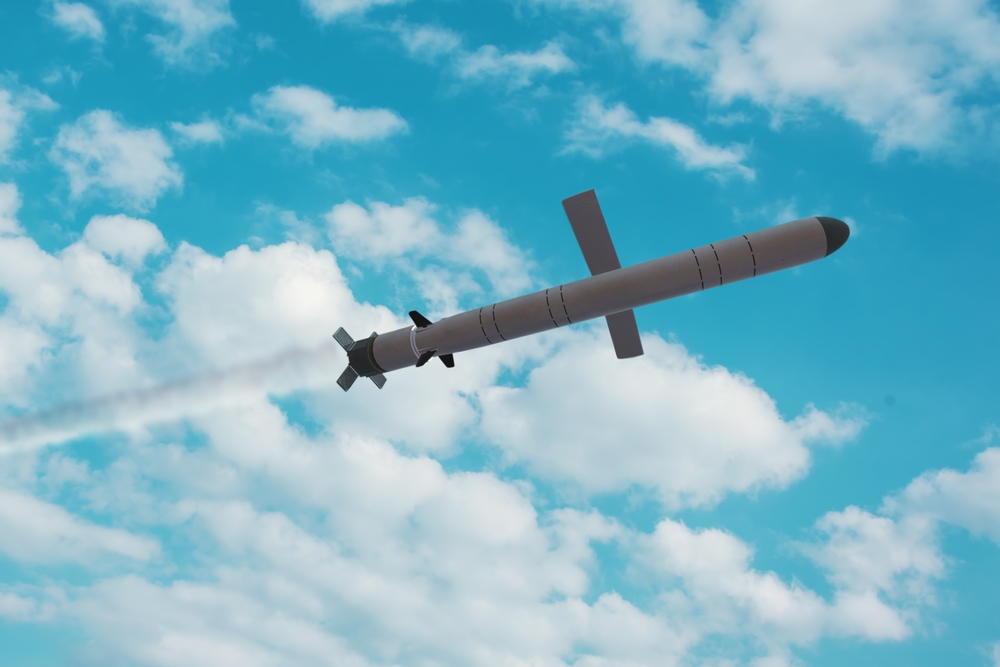
The United States carried out a series of airstrikes against Islamic State–linked militant groups in northwestern Nigeria, marking a significant intervention in the country’s ongoing struggle against violent extremism. President Donald Trump described the attacks as “powerful and deadly” and said they targeted militants responsible for attacks on civilians, particularly Christians.
Trump emphasized that the strikes were aimed at “terrorist scum” who had been “viciously killing innocent people,” underscoring Washington’s commitment to supporting Nigeria’s fight against extremist violence.
Bolstering Nigeria’s Security Forces
Nigeria’s military has long faced challenges in combating extremist groups such as Boko Haram and the Islamic State of West Africa Province (ISWAP). Limited resources and stretched manpower have made it difficult for authorities to maintain control across remote regions where militants operate.
The US airstrikes are seen as critical support for Nigeria’s forces, providing both tactical advantage and reinforcement for ongoing military operations. In response to the ongoing threat, Nigeria has been expanding recruitment and training of its security personnel, particularly in vulnerable northern states like Sokoto.
Collaboration With International Partners
Nigeria’s government confirmed that the strikes were part of ongoing cooperation with the United States and other international partners. Officials highlighted that this partnership allows for precise targeting of extremist positions and has strengthened counterterrorism efforts in the northwest.
President Bola Ahmed Tinubu emphasized that Nigeria is a religiously tolerant nation, noting that security challenges affect people of all faiths and regions. The US has previously designated Nigeria as a “Country of Particular Concern” over religious freedom, highlighting the threat posed to vulnerable communities by extremist groups.
Extremism Rooted in Poverty and Weak Governance
Militant groups in Nigeria exploit areas with limited state presence, high poverty, and unemployment, making recruitment easier and conflict harder to contain. Analysts note that both Muslim and Christian communities have suffered from attacks, demonstrating that the crisis affects the country broadly.
Alongside ISWAP and Boko Haram, the Islamic State Sahel Province—locally known as Lakurawa—has gained influence in the northwest, though officials have not confirmed which groups were targeted in the US strikes.
Nigeria’s Defence Minister, Christopher Musa, has stressed that military action alone cannot solve the crisis. He estimates that armed operations address only 30% of the problem, with the remaining 70% dependent on effective governance, development, and long-term measures to address instability.

