


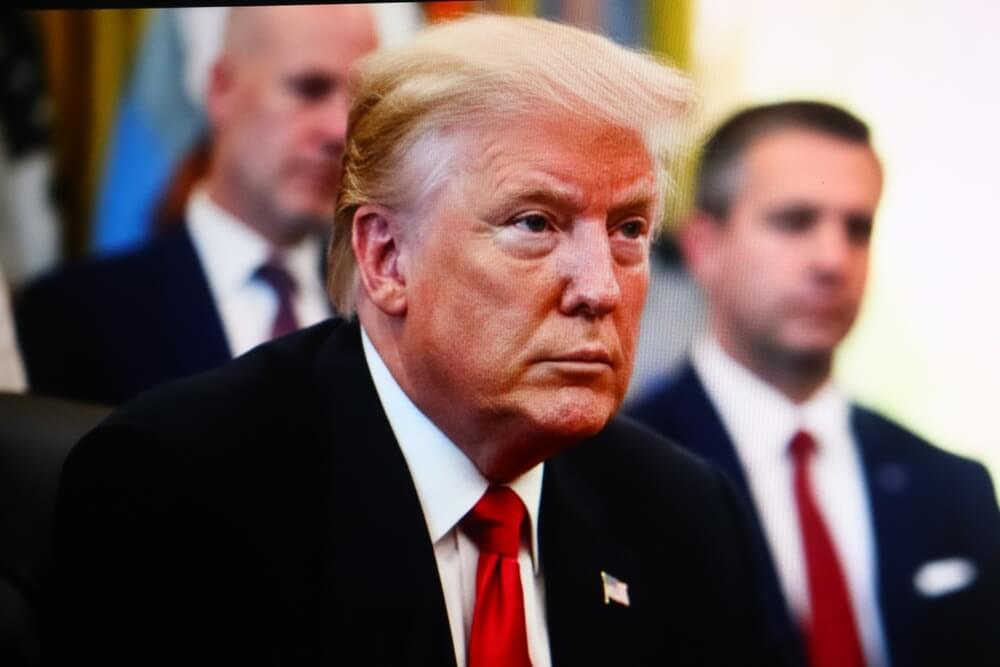
The world waits for a response
President Trump faces a critical decision on Iran. Ten days ago, he said the United States would step in to protect Iranian protesters if authorities used violence. He said American forces were locked, loaded, and ready. Those remarks came before the crackdown escalated. The scale of repression now shocks observers. The world watches closely for Trump’s next move.
White House press secretary Karoline Leavitt said only the president knows his plans. She added that the world can continue guessing. That uncertainty now dominates Washington. Observers question how long patience can last.
Military options and recent confidence
Senior officials plan to brief Trump on Tuesday about possible actions. He told reporters on Air Force One that he reviewed “very strong options.” His confidence stems partly from recent success in Venezuela. He described the capture of Nicolas Maduro as a historic achievement. That operation may encourage thoughts of military intervention.
The United States can strike from afar. Last summer, B-2 bombers flew long missions from Missouri to hit two major Iranian nuclear sites. Washington could repeat similar attacks or target regime figures responsible for repression. Officials likely maintain a long list of potential targets.
Covert measures and clear limits
Defense officials suggest responses could include covert methods. Cyber operations and psychological campaigns could disrupt Iranian command structures. However, one scenario seems unlikely: a Caracas-style operation. Iran differs significantly from Venezuela. Even weakened, its regime remains resilient. Recent U.S. and Israeli strikes did not break its hold. Removing one leader would not reshape the country.
Trump also recalls past failures. He recently referenced Jimmy Carter’s failed 1980 hostage rescue attempt. That mission ended in disaster when a helicopter collided with a transport aircraft in Iran’s desert. Eight American servicemen died. The failure humiliated the United States and strengthened opposition to Carter’s presidency.
Unclear objectives shape policy
Trump said last week that Carter had no chance after that failure. Today, the key question drives policy: what does the Trump administration actually seek in Iran? Analysts say the goal remains unclear.
Will Todman, a Middle East expert, says Trump likely wants to influence regime behavior rather than topple it. Todman doubts regime change is the main objective, citing extreme risks. Possible goals include nuclear concessions, halting the crackdown, or achieving limited reforms and sanctions relief.
Diplomacy under pressure
Trump says Iranian officials reached out to negotiate. He suggests they aim to maintain nuclear talks. Leavitt said public Iranian statements differ from private messages. She emphasized diplomacy as the first option. Officials told a major U.S. newspaper that Vice-President JD Vance urges talks.
Vance told reporters that Iran should negotiate seriously with Washington and provide clarity on nuclear commitments. Yet continued violence complicates diplomacy. Talks risk appearing weak if repression continues. Todman warns that delays could demoralize protesters. Reports of killings persist despite internet shutdowns. Trump may act before diplomatic channels conclude. Some believe limited strikes could encourage protesters and warn the regime.
Risks of limited action
Bilal Saab, a regional security expert, warns even limited strikes carry risks. They could embolden protesters but also unite regime supporters. Symbolic or isolated strikes may trigger nationalist reactions.
Trump faces complex calculations. Iran has threatened retaliation. Despite damage from previous attacks, Iran still has a substantial missile arsenal. Regional allies remain active. Groups in Yemen and militias in Iraq continue to pose threats. The Axis of Resistance still operates.
Calls for bold intervention
Some urge Trump to act decisively. Reza Pahlavi, the exiled son of Iran’s last monarch, proposes leading a transition. He told an American broadcaster that Trump must decide soon. He argued early intervention could save lives and bring down the regime.
His message sounds simple. White House officials understand the reality is far more complicated.

