


EU Leaders Stand United
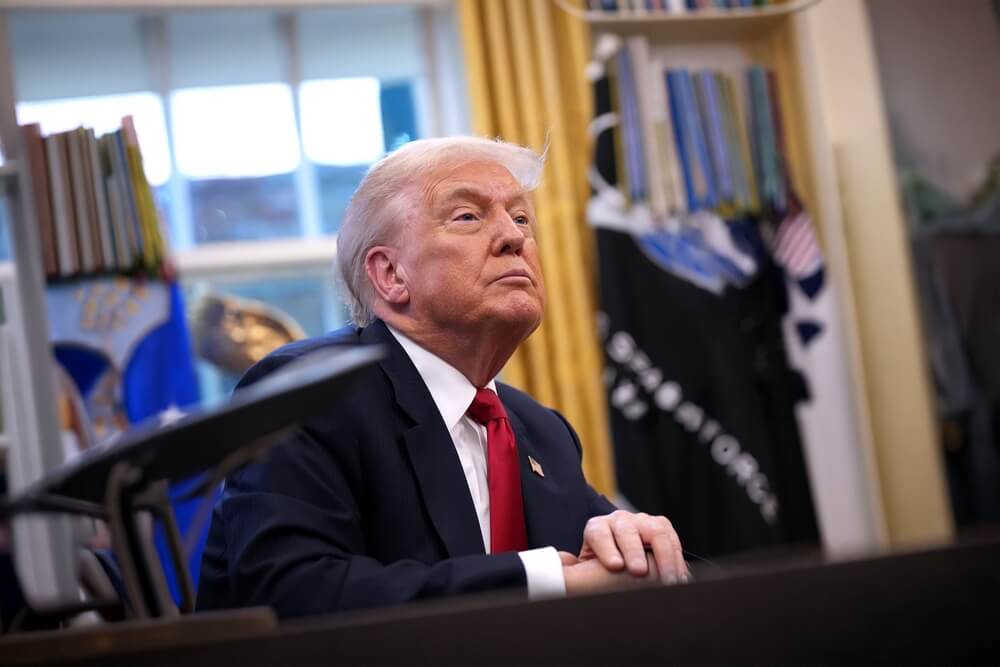
European leaders have vowed a coordinated response after US President Donald Trump threatened new tariffs unless Denmark agrees to sell Greenland, sparking fears of a trade confrontation. From European Commission President Ursula von der Leyen to French President Emmanuel Macron and German Chancellor Friedrich Merz, officials emphasized that the bloc would remain “united, coordinated and committed” to defending Europe’s sovereignty.
Trump announced via social media that products from Denmark, Sweden, Norway, France, Germany, the Netherlands, Finland, and the United Kingdom would face an additional 10% tariff starting February 1, potentially rising to 25% by June, until Greenland is “completely and totally” sold to the United States.
Rising Tensions Over Arctic Security
Greenland, a semi-autonomous territory of Denmark, has become a flashpoint after a joint European mission to the island earlier this week. The White House responded with threats of tariffs, claiming the mission threatened US national security. Danish officials pushed back, highlighting that no Chinese or Russian ships have been observed near Greenland in the last decade, and insisting the mission aimed to enhance Arctic security.
European leaders condemned the tariff threats as unacceptable. Macron stressed that Europe would not be intimidated “whether in Ukraine, in Greenland or elsewhere,” while Swedish Prime Minister Ulf Kristersson added that Europe would not allow itself to be blackmailed.
Calls for Stronger EU Trade Measures
The dispute has reignited debates in Brussels about activating the EU’s anti-coercion trade instrument, sometimes called the bloc’s “trade bazooka.” Adopted in 2023, the tool allows Europe to retaliate against political blackmail by restricting third countries from public procurement, limiting trade licenses, or cutting access to the single market.
Bernd Lange, chair of the European Parliament’s trade committee, warned that Trump is using trade as a political weapon and called for immediate activation of the anti-coercion measures. Meanwhile, Manfred Weber, head of the European People’s Party, urged freezing the EU-US trade deal, arguing that zero tariffs on American products should be put on hold until the Greenland dispute is resolved.
Europe now faces a high-stakes test of unity as tensions with the United States threaten to spill into a full-scale trade clash.

