


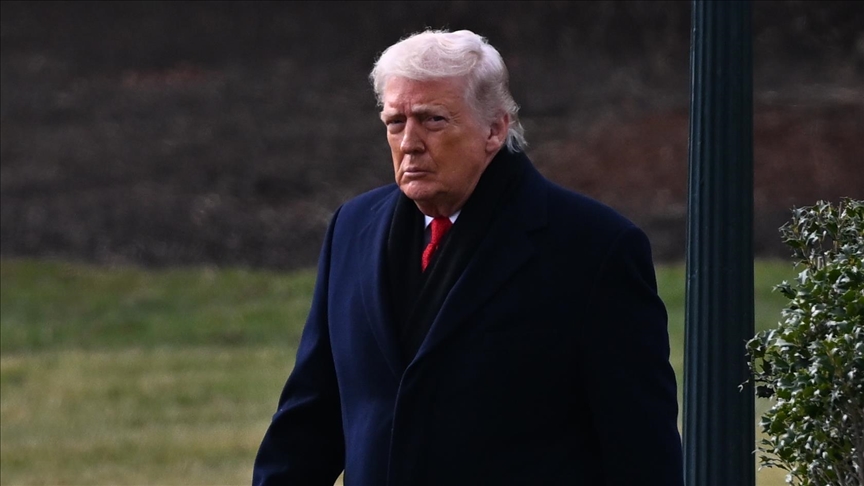
The United States has publicly thanked Iran for temporarily halting the execution of over 800 political prisoners. President Trump described the move as a positive step toward reducing immediate regional tensions and encouraging dialogue.
Officials said the pause signals a willingness by Iran to reconsider harsh measures against political detainees. The decision has been welcomed internationally as it may prevent further instability in the region and reduce human rights concerns.
Experts say halting executions could create space for diplomatic negotiations between the two countries. By pausing such measures, Iran may be signaling a readiness to engage in dialogue on other contentious issues, including sanctions, trade, and security matters.
The announcement comes amid ongoing concerns about human rights and political freedoms in Iran. Observers note that executions have long been a source of international criticism. By stopping these actions, Iranian authorities may be trying to improve their global image and reduce tensions with the U.S. and its allies.
President Trump highlighted the importance of recognizing positive steps even amid ongoing disputes. The White House statement praised Iran’s action as a demonstration that cooperation and restraint can lead to more stable international relations.
Human rights groups cautiously welcomed the news but stressed that continued monitoring is necessary. They urged Iran to commit to permanent reforms and transparency regarding political prisoners. The pause, while temporary, is seen as a rare opportunity to address systemic human rights concerns.
Diplomatic analysts say the U.S. acknowledgment may strengthen incentives for Iran to maintain the pause. Acknowledgment of positive actions can encourage further restraint and potentially reduce the risk of regional conflicts, particularly in the Middle East.
The move also has implications for other nations monitoring Iran’s policies. Countries concerned about nuclear activities, regional influence, and human rights may view the pause as a signal for potential negotiation and engagement, rather than confrontation.
International relations experts highlight that halting executions may help de-escalate immediate tensions without resolving all underlying issues. While conflicts remain, restraint on human rights violations can create a foundation for longer-term peace efforts.
President Trump’s public thanks also reflect a broader U.S. strategy of combining pressure with recognition of positive steps. Officials believe that highlighting constructive actions can support diplomacy while maintaining accountability for human rights concerns.
The pause affects a wide range of detainees, many of whom had been sentenced for political or protest-related activities. The acknowledgment by the U.S. may offer these prisoners temporary relief and open space for further international monitoring.
Analysts note that this development could also influence Iran’s domestic politics. Leaders may face internal pressure to continue restraint to avoid international criticism while balancing political priorities. The U.S. response may encourage further moderation.
This step underscores the role of diplomacy and public acknowledgment in international conflict management. By thanking Iran, the U.S. aims to incentivize actions that reduce immediate threats while keeping channels open for negotiation.
As discussions continue, both countries will likely monitor the effects of this pause closely. The hope is that it will lead to more sustained restraint, improved human rights practices, and a reduction in regional tensions.

