


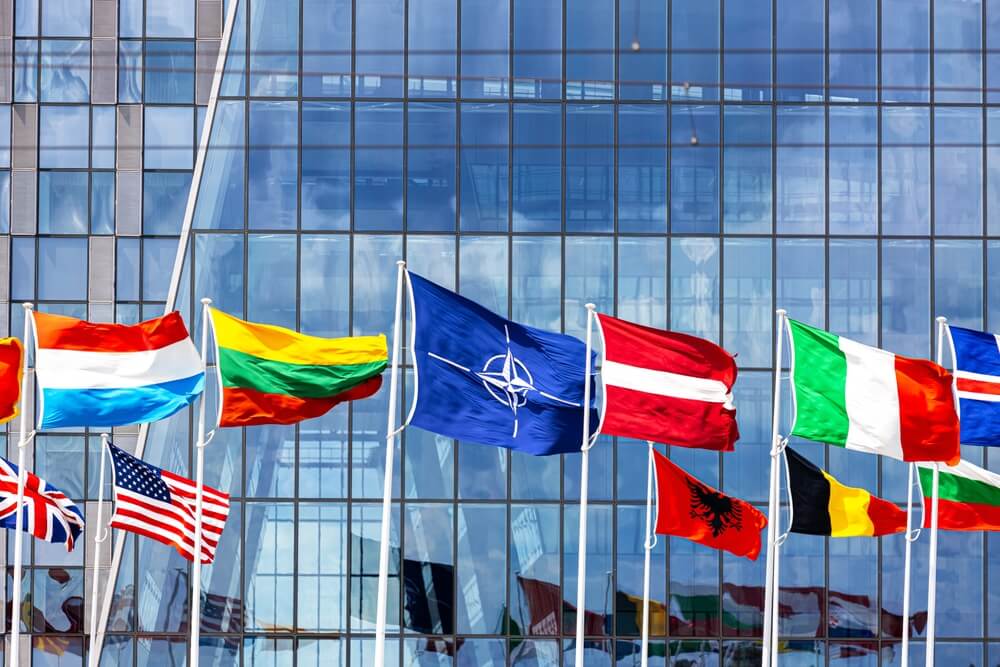
US and European defence ministers signaled a shared understanding this week: NATO must evolve, with Europe taking on a greater share of the responsibility for its own defence. While both sides agree on the need for change, their reasons are slightly different—Washington seeks to focus more on other global regions, while Europeans are cautious of the unpredictability of the current US administration.
US Under Secretary of War Eldridge Colby described the vision as “NATO 3.0,” calling for allies to assume primary responsibility for the conventional defence of Europe. “Europe should field the preponderance of the forces required to deter and, if necessary, defeat conventional aggression in Europe,” Colby said during the Brussels meeting.
A Shift in Mindset and Spending
European leaders appeared receptive to the message, showing that steps are already underway. NATO Secretary General Mark Rutte called it one of the most pivotal meetings of his tenure, highlighting a “real shift in mindset” and a stronger European pillar within the alliance.
Several countries, including Denmark, Estonia, Latvia, Lithuania, and Poland, have already surpassed the 3.5% of GDP defence spending target for 2025—a benchmark set after weeks of pressure from the US over NATO’s collective defence commitments. This early progress reflects Europe’s willingness to step up amid growing questions about long-term US engagement.
Europe’s Growing Role
European ministers emphasized the need to take on more responsibility. German Defence Minister Boris Pistorius noted that the US has historically carried much of the burden for European defence, but it is now Europe’s turn to gradually lead. France echoed this, saying Europeans have begun reinforcing NATO’s “European pillar,” and Romania stressed the importance of scaling up defence production to ensure Europe can protect itself.
The Netherlands called for a “no-surprise policy” to ensure any US reduction in forces is matched by a coordinated European response. Late last year, the US signaled the start of such a recalibration by announcing it would not replace a rotating infantry brigade in Romania.
Balancing Command and Presence
Changes are also underway within NATO’s command structure. Europeans are taking on more leadership roles, while the US retains key positions in Allied Land, Air, and Maritime Commands. Rutte stressed that the Supreme Allied Commander Europe should remain American to guarantee a strong conventional US presence in Europe.
This evolving division of labour—Europe taking greater operational responsibility while the US maintains strategic leadership—reflects a practical approach for keeping the transatlantic alliance strong in an era of shifting global priorities.

