


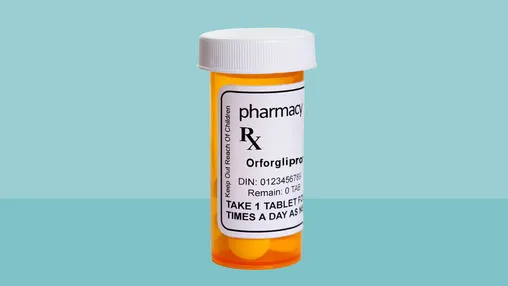
The GLP-1 weight loss pill is moving closer to possible approval in the United States. The new oral drug could change how obesity is treated. It may replace injections for many patients.
The drug belongs to the GLP-1 class. This group is already used in injection treatments for weight loss and diabetes. It works by helping control appetite and blood sugar levels.
The GLP-1 weight loss pill is now being reviewed for potential FDA approval. If approved, it would be the first widely used oral version of this treatment class for obesity care.
Companies like Novo Nordisk and Eli Lilly are leading developers in this area. Their current GLP-1 injection drugs have already seen strong demand worldwide.
Experts say convenience is a key reason for interest in the pill. Many patients prefer tablets over injections. This could improve long-term treatment use.
Early studies suggest the oral GLP-1 drug may help reduce body weight effectively. However, full clinical results are still being reviewed by regulators.
Health experts also warn that safety monitoring will be important. GLP-1 treatments can have side effects, so proper medical guidance is needed.
The GLP-1 weight loss pill could expand access to obesity treatment if it reaches the market. It may also reduce pressure on healthcare systems.
Regulators are expected to make a final decision after reviewing full trial data. The outcome will decide how soon patients can access the drug.
GLP-1 medicines were first developed for type 2 diabetes care. Over time, doctors noticed strong weight loss effects. This led to rapid growth in obesity treatment use across many countries.
Injections such as semaglutide and tirzepatide have become widely known in obesity care. These drugs are used under brands developed by major pharmaceutical companies.
Novo Nordisk GLP-1 medicines like Wegovy and Ozempic are among the most prescribed treatments. Eli Lilly drugs Mounjaro and Zepbound are also gaining strong global attention.
These injection drugs have shown strong results in clinical trials. Many patients have reported significant weight reduction when combined with diet and lifestyle changes.
However, injections can be difficult for some users. Fear of needles and regular dosing schedules can reduce long-term adherence to treatment plans.
This is why oral GLP-1 drugs are seen as an important step forward. Pills are easier to take and may improve patient comfort and consistency.
Regulators like the FDA carefully review safety, effectiveness, and side effects before approval. This process can take many months or even years.
Obesity is considered a major global health issue. It increases the risk of heart disease, diabetes, and other serious conditions.
Experts believe wider access to GLP-1 treatments could reduce long-term health costs. Fewer complications may lower hospital admissions over time.
If the GLP-1 weight loss pill is approved, it may increase global demand. Many countries are already watching U.S. regulatory decisions closely.
Scientists say future research may improve GLP-1 drugs even further. New versions could bring better results with fewer side effects.
Public health officials say education will be key once oral GLP-1 drugs become available. Patients will need clear guidance on correct use and monitoring.
Cost will also be an important factor. New weight loss drugs are often expensive, which may limit access for some patients without insurance support.
Health systems are preparing for increased demand if the GLP-1 weight loss pill is approved. Clinics may adjust services to manage more patients.
Experts stress that lifestyle changes will still be important. Medication works best when combined with healthy diet and regular physical activity.
Weeks ahead of FDA review, analysts expect strong market interest in the GLP-1 weight loss pill. Investors and healthcare providers are closely tracking development. If approved, it could become one of the most widely used obesity treatments in oral form, changing patient choices and expanding global treatment options.
Final approval will depend on complete trial results and regulatory checks. Authorities will ensure the benefits outweigh any potential risks before making a decision.

