


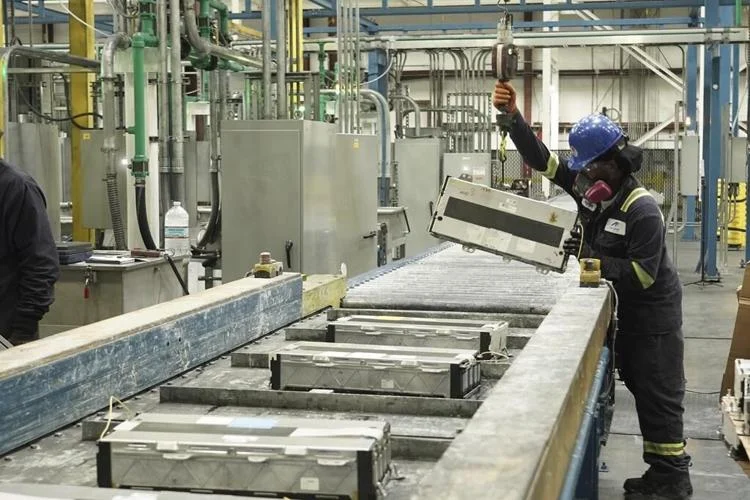
US Battery Recycling Breakthrough is gaining attention in the United States after researchers developed new ways to recycle lithium-ion batteries more efficiently. The new methods can recover more valuable materials at lower cost. This includes key metals used in electric vehicle batteries. The development is seen as a major step for clean energy and electric transport growth.
Researchers say the new process improves how materials like lithium, nickel, and cobalt are extracted from used batteries. In older systems, much of these materials were lost or damaged during recycling. The improved method increases recovery rates and reduces waste. It also lowers the energy needed for recycling, which reduces overall costs.
US Battery Recycling Breakthrough is important because demand for electric vehicles is rising quickly. More EVs mean more used batteries in the future. Without strong recycling systems, mining demand would increase sharply. This could raise environmental pressure in mining regions. The new technology helps reduce this pressure by reusing more materials from old batteries.
Experts say the new recycling process also supports supply chain security. The United States depends on imported materials for battery production. Recycling can reduce this dependence over time. This helps stabilize prices and improve local manufacturing strength. It also supports long term energy independence goals.
The technology also helps reduce environmental damage from mining. Mining for battery metals can harm land and water systems. It also creates carbon emissions. By recovering materials from old batteries, fewer new mines are needed. This helps reduce environmental impact across the supply chain.
Researchers explain that the process uses improved chemical and mechanical steps. These steps separate materials more cleanly and safely. This makes recycling more efficient and scalable for large factories. It also allows more consistent output quality for reused materials.
US Battery Recycling Breakthrough is also linked to the fast growth of electric vehicles. EV sales continue to rise in the US market. Automakers are investing heavily in battery production. This creates a need for better recycling systems. Old batteries must be processed safely and efficiently.
Industry experts say recycling will become a key part of the EV economy. It helps reduce production costs over time. It also makes battery supply chains more stable. Companies can reuse recovered materials in new battery production. This reduces reliance on raw material markets.
The new method also reduces waste storage problems. Used lithium-ion batteries can be dangerous if not handled properly. Improved recycling lowers the risk of fire and pollution. It also makes disposal safer for communities.
Government support is increasing for battery recycling research. Funding programs encourage clean energy innovation. These programs aim to strengthen domestic battery production and recycling capacity.
Experts say scaling up this technology will be the next challenge. Large recycling plants will be needed to handle growing battery waste. Investment from both public and private sectors will be important.
US Battery Recycling Breakthrough also supports climate goals. Recycling uses less energy than mining and refining new materials. This helps lower greenhouse gas emissions. It also supports a circular economy model where materials are reused.
Researchers believe future improvements may make recycling even more efficient. Automation and AI systems may improve sorting and processing steps. This could further reduce costs and increase recovery rates.
The battery industry is expected to grow rapidly in the coming years. Electric vehicles, grid storage, and renewable energy systems all depend on lithium-ion batteries. Strong recycling systems will help support this growth.
Experts say the United States is moving toward a more sustainable battery supply chain. Recycling is becoming a key part of that strategy. It connects clean energy goals with resource efficiency.
The latest breakthrough shows how technology can reduce environmental impact while supporting industrial growth. It marks an important step in building a cleaner energy future for the country.

