


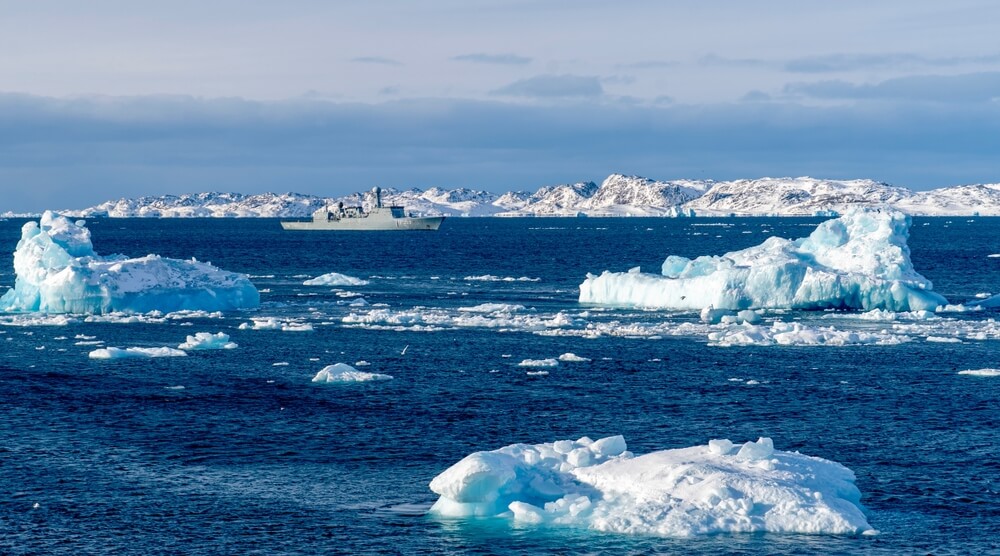
Melting Ice Opens the Arctic to More Ships
As global temperatures rise, Arctic sea ice is disappearing faster than ever, allowing ships to navigate routes that were previously frozen year-round. While this opens new opportunities for cargo, fishing, and even cruise vessels, it comes with a hidden cost: black carbon, or soot, emitted by ships. This pollution settles on snow and ice, darkening the surface and accelerating melting by absorbing more heat from the sun. “It ends up in a never-ending cycle of increased warming,” says Sian Prior, lead adviser for the Clean Arctic Alliance. Faster Arctic melting can influence weather patterns worldwide, making this issue a global concern.
Cleaner Fuel Proposals Face Political Hurdles
In December, France, Germany, Denmark, and the Solomon Islands proposed that the International Maritime Organization (IMO) require all ships north of the 60th parallel to use “polar fuels,” which are lighter and emit far less black carbon than conventional maritime fuels. The proposal includes compliance measures and aims to extend cleaner shipping practices across the Arctic.
However, progress is slow. A 2024 ban on heavy fuel oil has had minimal impact due to loopholes allowing some ships to continue using it until 2029. International politics further complicates efforts: conflicting interests among Arctic nations, combined with geopolitical tensions and past lobbying by the United States against shipping carbon regulations, have pushed environmental concerns down the agenda. Even nations like Iceland, leaders in renewable energy, face internal pressures from industries such as fishing that resist higher costs for cleaner fuels.
Traffic and Soot Levels Continue to Climb
Shipping activity in the Arctic has surged in recent years. Between 2013 and 2023, the number of vessels entering waters north of the 60th parallel rose 37%, while total distance traveled increased 111%, according to the Arctic Council. Black carbon emissions have grown alongside this traffic, reaching over 3,300 tonnes in 2024 from 2,696 tonnes in 2019. Fishing boats are the largest contributors.
Environmental advocates argue that regulating ship fuels is the only practical way to reduce black carbon. Limiting Arctic shipping entirely is unlikely, given the economic benefits of shorter routes between Asia and Europe. The Northern Sea Route remains open only part of the year and often requires icebreakers, but the combination of risks and environmental concerns has led some companies, like Mediterranean Shipping Company, to pledge they will avoid the route entirely for now.
“The debate around the Arctic is intensifying, and commercial shipping is part of that discussion,” says MSC CEO Søren Toft. “Our position is clear: we do not and will not use the Northern Sea Route.”

