


Brussels Ready to Act Without G7 Agreement
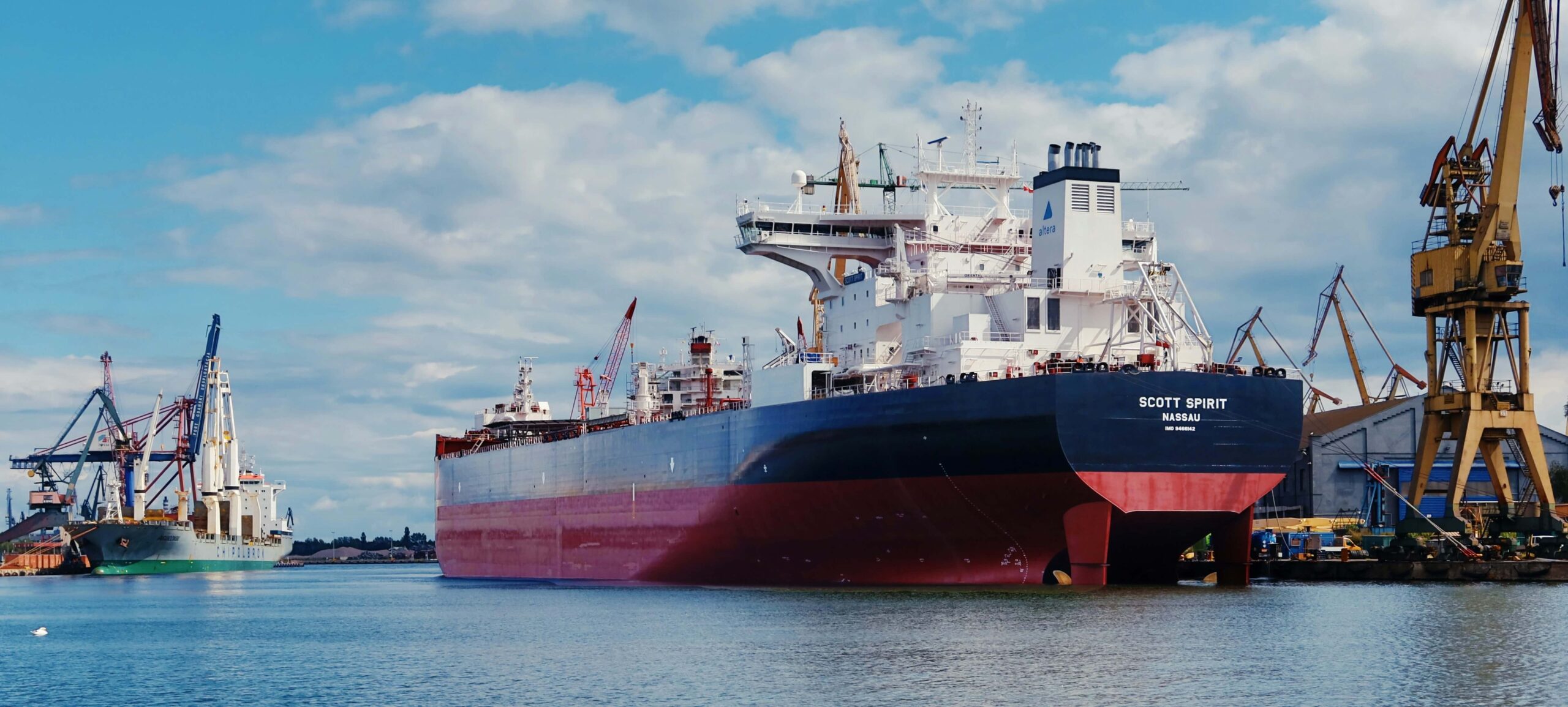
The European Union has indicated it is prepared to impose a full ban on maritime services for Russian oil tankers, even if G7 partners fail to reach a joint decision. Valdis Dombrovskis, speaking after a meeting of EU finance ministers, said coordination with the G7 is preferable but “not an absolute precondition.” The EU aims to approve its 20th package of sanctions by 24 February, marking the fourth anniversary of Russia’s full-scale invasion of Ukraine.
If enacted, the ban would prevent all EU companies from servicing Russian tankers, effectively ending the G7’s $44.10 per barrel oil price cap within EU borders. Dombrovskis stressed that while broader alignment is ideal, the bloc would not hesitate to act independently to increase economic pressure on Russia.
Uncertainty Among Allies
It remains unclear how many G7 members are willing to follow the EU’s proposed move and end the oil price cap. Officials from the United Kingdom, Canada, and Australia have acknowledged the proposal and are in discussions. The United States and Japan have not responded.
Within the EU, concerns have been raised by Greece, whose maritime sector could be affected. Athens fears the ban could boost competitors in India and China, empower Russia’s “shadow fleet,” and increase the risk of vessels switching registries — a tactic known as “deflagging.” Swedish Finance Minister Elisabeth Svantesson emphasized the importance of decisive action, noting that while broader alignment is better, the EU must do what is necessary.
Kyrgyzstan in the Spotlight
The sanctions package also includes the first activation of the EU’s Anti-Circumvention Tool, targeting exports of sensitive goods such as CNC machines and radio equipment to countries at high risk of re-exporting them to Russia. This measure has drawn attention to Kyrgyzstan, which shares a customs union with Russia and is suspected of serving as a conduit for blacklisted items.
EU-Kyrgyzstan trade has surged dramatically since the invasion, from €263 million in 2021 to €2.5 billion in 2024, with over half of those exports consisting of machinery and transport equipment that Brussels fears could be repurposed for military use. Kyrgyz authorities have not commented on the issue.
EU ambassadors are expected to continue negotiations this week to finalize the sanctions package in time for the 24 February deadline, though some delays may occur if additional time is needed to reach an ambitious agreement.

