


The Biggest Technical Overhaul the Sport Has Ever Seen
The 2025 season ends with McLaren taking both titles, but the real shake-up arrives in 2026. Formula 1 introduces groundbreaking technical rules and expands the grid to 11 teams. A major British sports outlet breaks down what fans should expect next year.
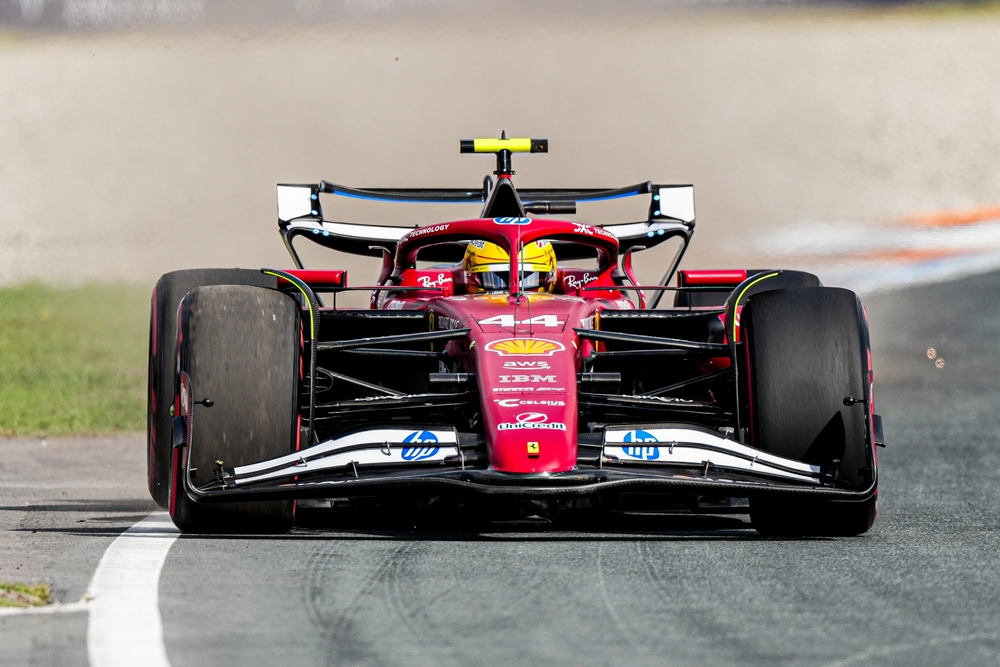
The new regulations deliver the most dramatic shift in many seasons. Cars become lighter, narrower and far more efficient. They shed 30 kilograms, slim down by ten centimetres and run power units with nearly equal electric and combustion output. The series also switches to fully sustainable fuels.
The effect on racing remains uncertain. Experts note that chassis and engine rules have never changed this drastically at once. Aerodynamics also undergo a full redesign. The 1.6-litre V6 hybrid stays, but the MGU-H disappears and the electric contribution rises to around 50 percent.
These adjustments force fresh aerodynamic concepts. Ground-effect tunnels vanish. Movable front and rear wings appear and boost straight-line speeds to allow stronger energy harvesting under braking. Drivers express concern because these shifts could heavily alter the driving experience.
The combustion engine will often act as a generator and may run at maximum revs in some corners. DRS disappears because the rear wing must perform new tasks. A push-to-pass button replaces it and delivers short bursts of electrical energy.
Lewis Hamilton admits that the outcome is impossible to predict. He says the cars feel very different and warns that wet conditions may become extremely challenging. Still, he hopes the final package might surprise everyone.
British Teen Lindblad Makes His F1 Debut
Most drivers stay for 2026, but several key moves stand out, including the arrival of a young British rookie.
Isack Hadjar steps up from Racing Bulls to partner Max Verstappen at Red Bull after scoring his first podium at the Dutch Grand Prix.
Arvid Lindblad, an 18-year-old Briton with Swedish and Indian roots, takes over Hadjar’s former seat. He ends his Formula 2 year in sixth with Campos Racing and now joins Liam Lawson for the new campaign.
Cadillac Expands the Field to Eleven Teams
Cadillac joins the championship next season with backing from General Motors.
The new outfit chooses experience and signs Valtteri Bottas and Sergio Perez, who have a combined 106 podiums.
Graeme Lowdon becomes team principal after previous stints at Virgin and Marussia.
Cadillac uses Ferrari engines for three seasons before switching to GM-built units in 2029.
Sauber Transforms as Audi Takes Control
Audi enters the grid by taking over the Swiss Sauber team, which placed ninth in 2025.
Audi develops its own engine for the new rules. Jonathan Wheatley becomes team boss and works with Mattia Binotto, who leads Audi’s full Formula-1 project.
Nico Hulkenberg and Gabriel Bortoleto stay as Audi’s first driver line-up.
Ford Joins Red Bull as Renault Exits the Engine Game
Red Bull begins a new engine partnership with Ford. The American company co-funds Red Bull’s power-unit development for the 2026 rules.
This deal ends Red Bull’s long connection with Honda. Honda becomes the exclusive supplier for Aston Martin, where Adrian Newey takes over as team principal after major internal changes.
Renault ends its engine programme. Alpine now switches to customer Mercedes units.
Madrid Arrives on the Calendar, Imola Drops Out
The 2026 season keeps 24 races and starts in Australia in March before ending in Abu Dhabi in December. Spain hosts two events instead of one.
A new track in Madrid replaces Imola. The “Madring” blends public roads with private sections still under construction.
The Madrid race runs from 11–13 September and concludes the uninterrupted European part of the season.
Barcelona stays as the Barcelona-Catalunya Grand Prix from 12–14 June.
Canada moves to 22–24 May to sit near Miami, which takes place from 1–3 May.
Monaco shifts to 5–7 June.
Six sprint races remain. Silverstone joins China, Miami, Canada, Zandvoort and Singapore, with Zandvoort appearing for the final time.

