


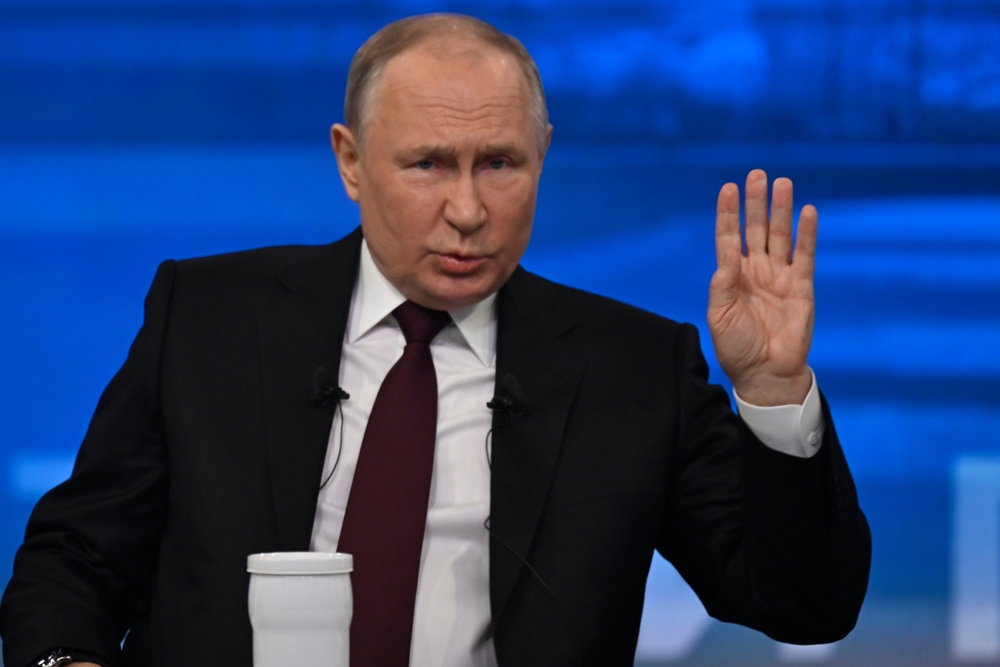
During the war against Ukraine, Russia reached the highest number of billionaires in its history. Their growing wealth did not translate into political power. Over 25 years, Vladimir Putin removed the independence of the rich. Once-feared oligarchs now avoid public opposition. This transformation serves the Kremlin’s interests. Western sanctions failed to create elite resistance. Pressure and privilege instead enforced obedience.
The system relies on rewards for loyalty and punishment for defiance. Cooperation brings access, safety, and profit. Dissent invites immediate retaliation. Former banking billionaire Oleg Tinkov faced this reality. One day after calling the war “crazy” online, officials contacted his executives. They issued a direct ultimatum. The state would seize his bank unless all ties ended. Tinkov later said negotiation never existed. He described the process as coercive.
Within days, a company linked to Vladimir Potanin bought the bank. Potanin ranks among Russia’s richest businessmen. His firms supply nickel used in fighter jet engines. Tinkov said the sale reflected only three percent of real value. He lost nearly nine billion dollars. He soon left Russia.
When Money Dictated Politics
Russia once followed a different model. After the Soviet collapse, massive state assets moved into private hands. A small group exploited the chaos of early capitalism. They built enormous fortunes quickly. Political instability gave them direct influence over government decisions. These men became known as oligarchs. Boris Berezovsky emerged as the most powerful among them.
Berezovsky later claimed he helped engineer Putin’s rise in 2000. Years later, he expressed public regret. He wrote that he failed to foresee a future autocrat. His role may have been overstated. Still, oligarchs once shaped policy at the highest level. In 2013, Berezovsky died in exile under mysterious circumstances. By then, oligarch political power had collapsed.
Silence Inside the Kremlin
On 24 February 2022, Putin summoned Russia’s richest figures to the Kremlin. Hours earlier, he ordered the full invasion of Ukraine. None openly objected. They understood their wealth faced severe damage. Putin called for cooperation under new conditions. A journalist present described the businessmen as pale and exhausted.
The months before the invasion damaged billionaire fortunes sharply. The immediate aftermath deepened losses. Between 2021 and April 2022, their number fell from 117 to 83. War, sanctions, and a weak rouble erased vast wealth. Collectively, they lost 263 billion dollars. On average, each lost more than a quarter of personal assets.
War as a Business Model
The following years changed the picture. Heavy military spending boosted economic growth. Russia posted growth above four percent in 2023 and 2024. Many wealthy figures benefited. Even those without defence contracts gained indirectly. In 2024, more than half of Russian billionaires supported military supply chains. Others profited from war-driven market shifts.
Forbes wealth analyst Giacomo Tognini stressed the need for state ties. Any major business depends on government relations. In 2025, Russia reached a record 140 billionaires. Their combined wealth reached 580 billion dollars. That figure stood just three billion below the pre-war peak.
Discipline Through Fear
Putin consistently punishes disloyalty. Russians remember the fate of Mikhail Khodorkovsky. The oil tycoon once ranked as the country’s richest man. After funding a pro-democracy group, authorities arrested him. He spent ten years in prison. Since the invasion, almost all billionaires stayed silent. The few critics fled Russia. They abandoned large portions of their wealth.
Despite sanctions, billionaires remain essential to the war economy. Many face asset freezes and travel bans abroad. Western governments hoped pressure would spark elite rebellion. That calculation failed. Wealth endured. Dissent disappeared.
Sanctions That Sealed Loyalty
Sanctions also closed exit routes. Moving money abroad became nearly impossible. Accounts froze. Properties were seized. Analyst Alexander Kolyandr argued this strengthened Kremlin control. Without alternatives, billionaires rallied closer to the state. Their capital now fuels war production.
The departure of foreign companies created new opportunities. Kremlin-friendly businessmen filled the vacuum quickly. They bought valuable assets at discounted prices. Economist Alexandra Prokopenko described a new loyal elite. Their prosperity depends on confrontation with the West. Their greatest fear remains the return of former owners.
In 2024 alone, this process created eleven new billionaires. Despite war and sanctions, Putin kept firm control over Russia’s economic elite. In several ways, external pressure reinforced that grip.

