


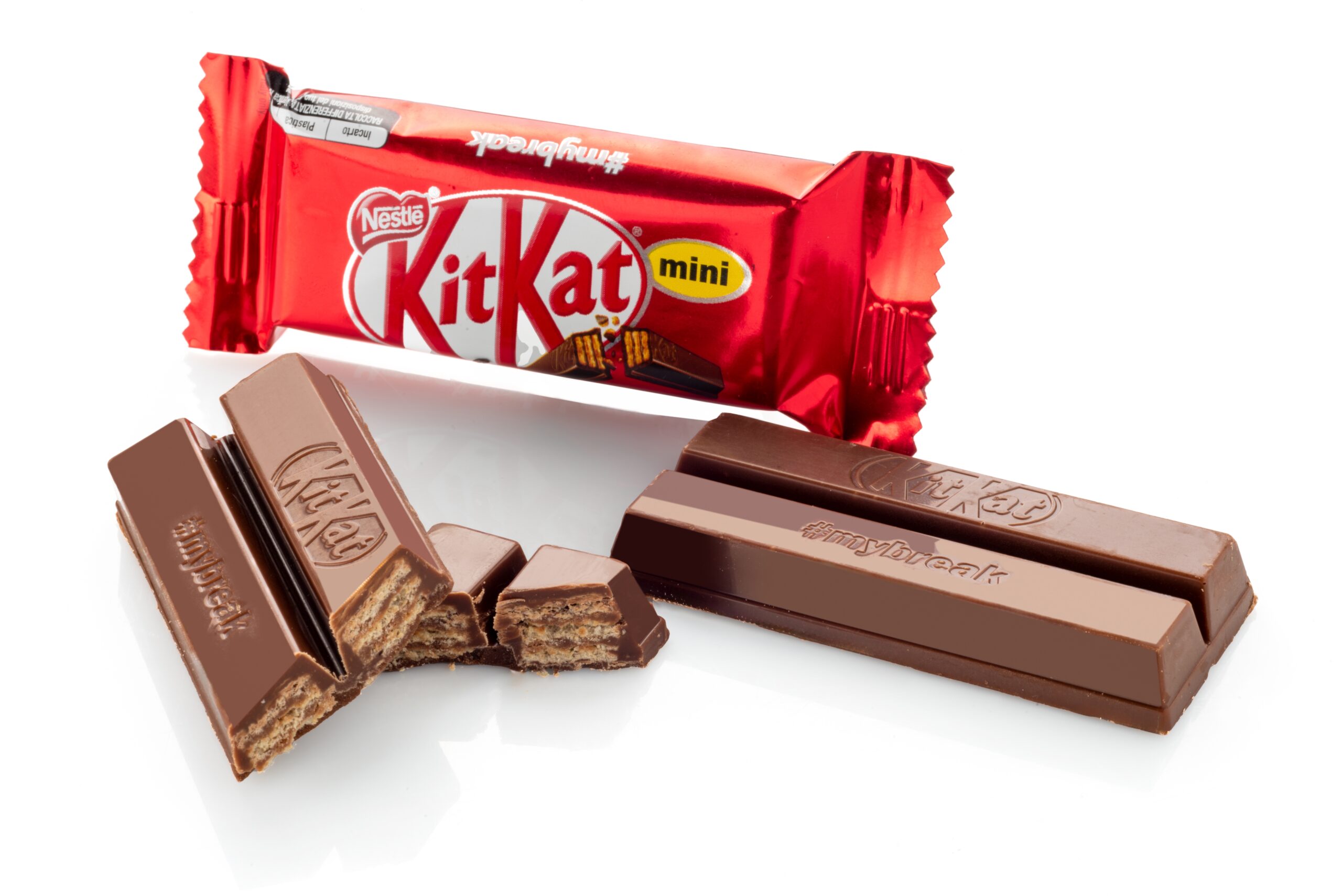
Nestlé plans to cut 16,000 jobs worldwide over the next two years as part of a major restructuring effort aimed at boosting sales and reducing costs. The layoffs — affecting nearly 6% of the company’s global workforce — will include about 12,000 white-collar roles and 4,000 positions across manufacturing and supply chains.
“The world is changing and Nestlé needs to change faster,” said Philipp Navratil, the company’s new chief executive. “This will include making hard but necessary decisions to reduce headcount over the next two years. We will do this with respect and transparency.”
Navratil took over last month after the sudden dismissal of former CEO Laurent Freixe, who was fired for failing to disclose a romantic relationship with a subordinate. His appointment comes at a turbulent time for the world’s largest food and beverage company, which has faced slowing sales and rising debt.
The maker of KitKat, Nescafé, and Purina aims to save 3 billion Swiss francs (£2.8 billion) by 2027, increasing its previous cost-saving target of 2.5 billion francs. Navratil said the company would “be bolder in investing at scale and driving innovation” while creating a “performance-driven culture” focused on winning market share.
Nestlé employs about 4,200 people in the UK, including staff at its Gatwick headquarters and a major production site in York. The company declined to specify which countries would be most affected by the job cuts but confirmed that greater automation and efficiency would play key roles in the restructuring.
The announcement accompanied Nestlé’s latest financial results, which showed a 1.9% year-on-year decline in reported sales to 65.9 billion Swiss francs for the first nine months of the year. The company attributed the drop to negative currency effects of 5.4%, noting that organic sales still rose by 3.3%. Growth was strongest in coffee and confectionery, although inflation-driven price increases — particularly from higher coffee and cocoa costs — were the main contributors.
Emerging markets saw organic growth of 5.2%, while developed markets rose by 2.1%.
Navratil said Nestlé would now accelerate its turnaround strategy: “We have been stepping up investment, and the results are starting to come through. Now we must do more and move faster to build growth momentum.”
Analysts say the new CEO’s decisive moves suggest a clear break from the company’s recent stagnation. Chris Beckett, a consumer staples analyst at Quilter Cheviot, commented: “Despite being a career Nestlé employee, Navratil is showing it won’t be business as usual. He’s willing to take drastic action to reverse Nestlé’s decline. For now, though, the company remains a work in progress.”

