


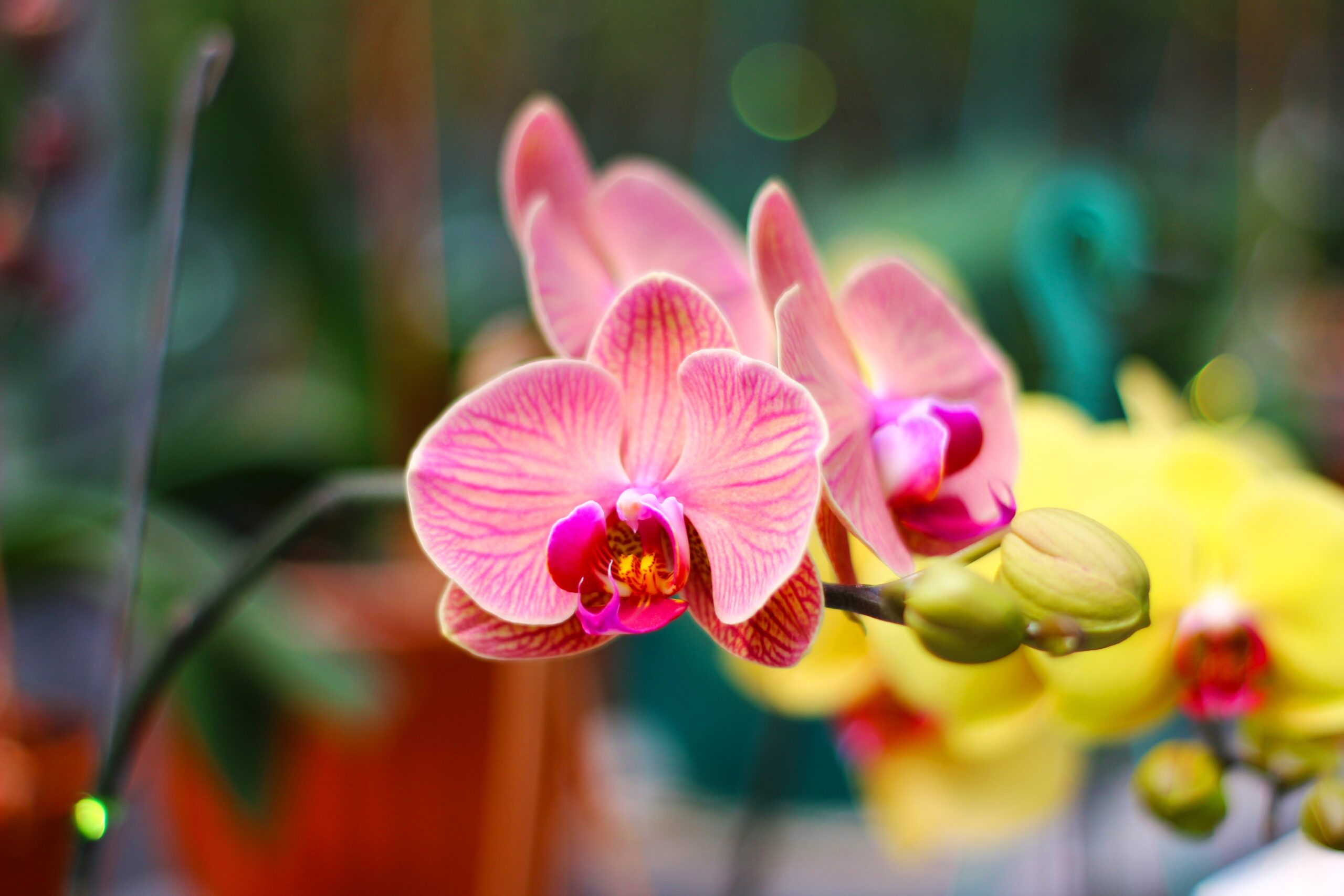
Rhizanthella is a remarkable orchid unlike any other. It spends its entire life beneath the soil, producing flowers underground and surviving without leaves. Instead of photosynthesizing, this elusive plant depends on a complex relationship with a fungus that extracts nutrients from the soil and connects to the roots of the broom bush (Melaleuca uncinata).
Discovered by chance in 1928 when a farmer ploughing his field in Western Australia unearthed the first specimen, Rhizanthella quickly became an international curiosity. Nearly a century later, it remains one of the most mysterious plants on Earth. Locating it is notoriously difficult, requiring botanists to search carefully in suitable habitats and gently scrape away soil to reveal the hidden blooms—delicate reddish flowers enclosed in creamy-pink bracts. These blossoms emit a rich vanilla fragrance and are thought to be pollinated by termites or small flies.
There are five known species of Rhizanthella, all among the rarest orchids in existence. Their survival is under severe threat due to habitat loss and prolonged drought driven by climate change. With so few plants remaining, the species are considered highly vulnerable to extinction.
In an effort to save them, botanist Kingsley Dixon and his team at the University of Western Australia are pioneering new conservation techniques. They are cultivating the orchid’s symbiotic fungus alongside orchid seeds in laboratory conditions, then transferring the seedlings to potted Melaleuca bushes. The hope is that this delicate process will one day allow these hidden orchids to thrive once again in their natural environment.

