


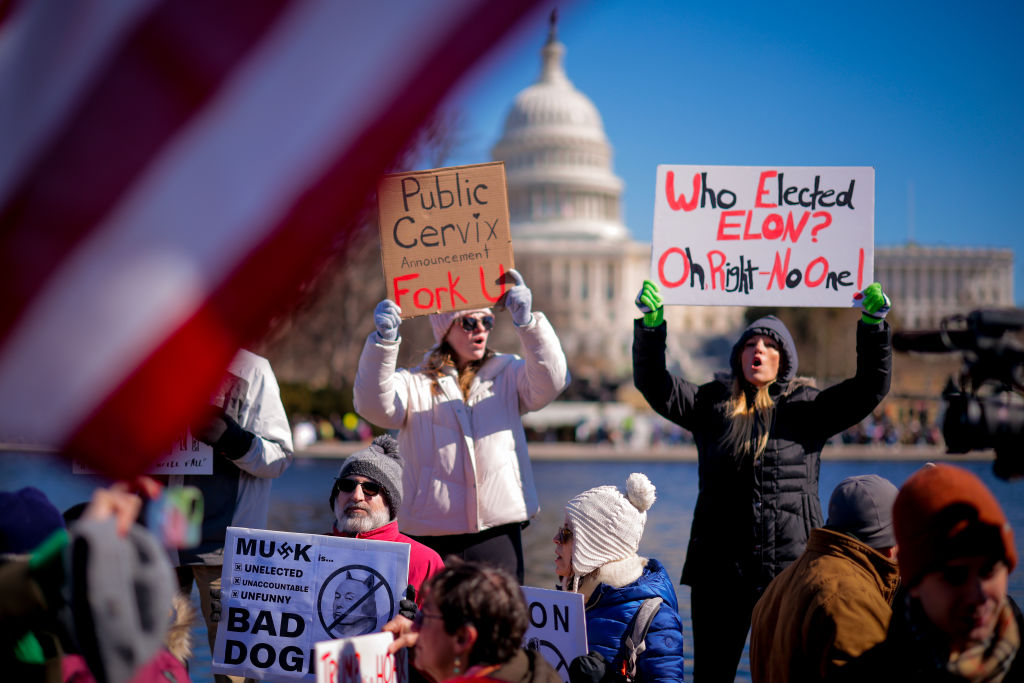
Civil society organizations, including non-profits and philanthropic groups, played a critical role during the recent government shutdown. Analysts note that their actions highlight growing momentum in social advocacy, as these groups stepped in to support vulnerable Americans and advocate for reform.
During the shutdown, millions of federal employees and low-income families faced financial and logistical challenges. Non-profit organizations quickly mobilized to provide essential services, including food assistance, housing support, and emergency financial aid.
Philanthropic groups also contributed by funding programs that addressed immediate needs. Analysts say this collaboration helped stabilize communities and ensured that essential support reached those most affected by the disruption.
The shutdown underscored the importance of social advocacy in addressing gaps that emerge when government services are temporarily halted. Non-profits demonstrated adaptability and resourcefulness, maintaining service continuity despite financial and operational challenges.
Commentators note that the efforts of civil society were not limited to emergency support. Many organizations used the opportunity to advocate for reforms in social programs, highlighting systemic issues exposed by the shutdown. These advocacy efforts aimed to improve long-term resilience for vulnerable populations.
Community-based initiatives played a key role in reaching populations often overlooked during crises. Volunteers, local organizations, and grassroots movements coordinated to provide food distribution, counseling, and other critical services. Analysts say this network strengthened social safety nets at a local level.
Experts emphasize that social advocacy during the shutdown reinforced public trust in civil society. By stepping up when government resources were strained, non-profits and philanthropic groups showed their capacity to fill urgent gaps and respond to community needs effectively.
The response also demonstrates how strategic philanthropy can influence policy. By funding initiatives that address immediate challenges and advocate for reform, philanthropic organizations can help shape long-term solutions for social equity and resilience.
Many commentators highlight that this momentum is a positive sign for democratic engagement. Citizens and organizations participating in advocacy efforts contribute to a stronger civil society, holding policymakers accountable and promoting social change.
Data from recent surveys indicate that non-profits increased their outreach during the shutdown, providing direct aid to thousands of households. These programs included emergency financial relief, food distribution, mental health support, and educational assistance for children affected by disruptions in government services.
Analysts argue that the shutdown highlighted vulnerabilities in existing social support systems. Civil society’s proactive response underscores the need for collaboration between government agencies and non-profits to ensure continuity of essential services in times of crisis.
Observers also point out that social advocacy has long-term benefits. Beyond immediate aid, these efforts build community capacity, foster volunteerism, and encourage policy reforms that strengthen safety nets for the future.
Public reaction to these initiatives has been overwhelmingly positive. Citizens recognize the critical role played by non-profits and philanthropic organizations in mitigating hardship, reinforcing their importance in maintaining social cohesion and stability.
Overall, the activities of civil society during the shutdown illustrate the growing influence of social advocacy. By providing essential services, supporting vulnerable populations, and pushing for reforms, non-profits and philanthropic groups have reinforced the critical role of organized community action in addressing societal challenges.

