


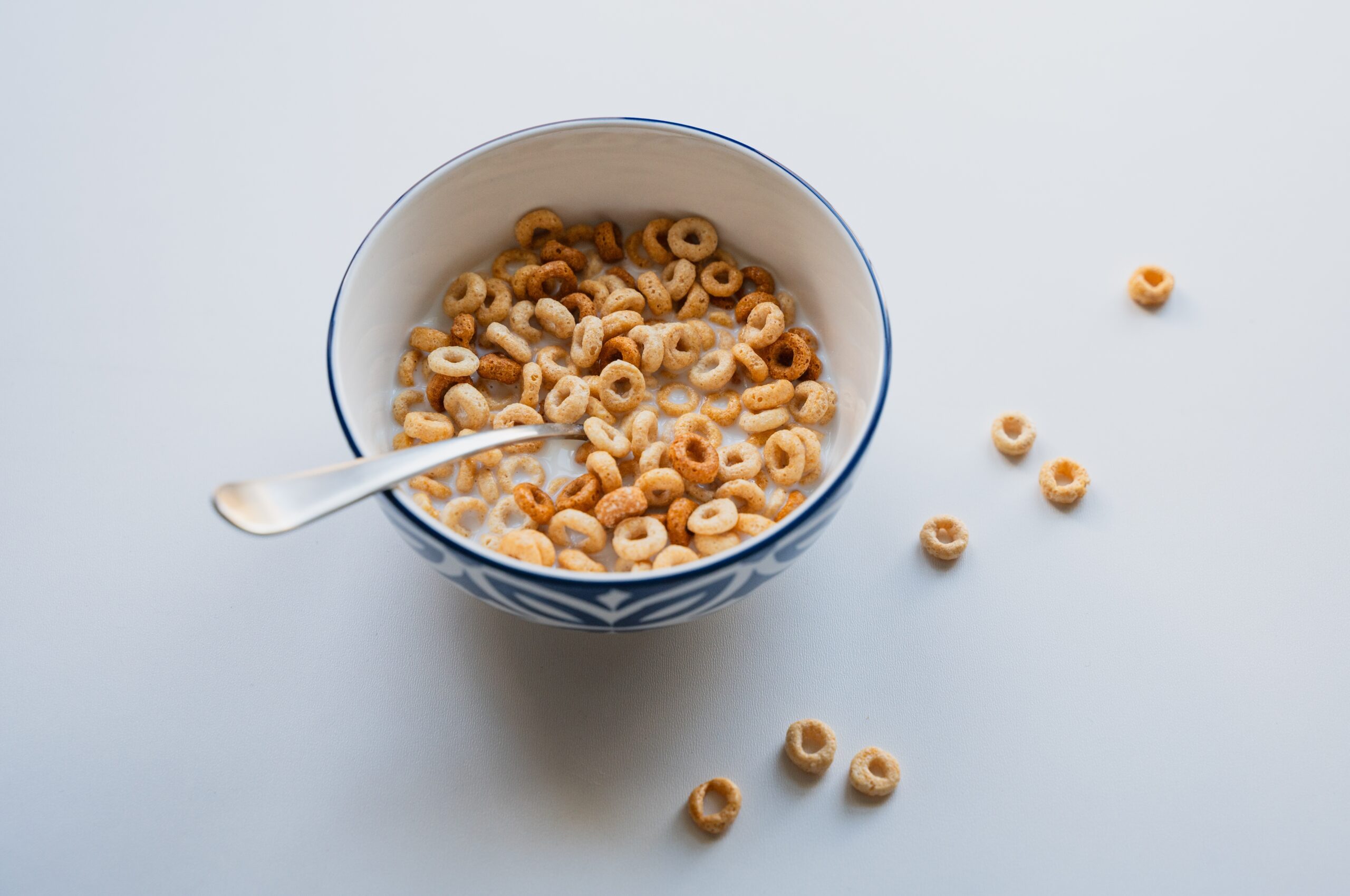
A new study has detected widespread contamination of cereal foods in Europe with a toxic “forever chemical” known as trifluoroacetic acid (TFA), raising concerns over food safety and pesticide regulation. Research by Pesticide Action Network Europe (PAN) found that breakfast cereals contained the highest concentrations, averaging levels 100 times greater than those found in tap water.
TFA forms when certain pesticides containing PFAS chemicals break down in soil. PFAS — a large group of long-lasting industrial chemicals — are used in countless consumer products and degrade extremely slowly, often taking centuries to break down. Their accumulation in the environment has been linked to cancer, fertility issues, and disruptions to thyroid, liver and immune function. TFA specifically is classed as reprotoxic, meaning it may harm reproductive health and fetal development.
The study analysed 65 cereal-based products from 16 European countries — including breads, pasta, flour, croissants and sweets — and found TFA in 81.5% of samples. Wheat products showed particularly high contamination. The highest levels were detected in Irish breakfast cereals, followed by wholemeal bread from Belgium and Germany, and French baguettes. Products ranged widely, from spaghetti to cheese scones and gingerbread.
Campaigners say the findings highlight an urgent need for stricter safety limits and a full ban on PFAS-based pesticides. Current regulations do not require governments to monitor TFA in food, leaving consumers exposed without clear oversight.
“All people are exposed to TFA through food and water,” said Salomé Roynel of PAN Europe. “We urgently need to stop further contamination of the food chain.” Angeliki Lysimachou, also of PAN Europe, warned that all samples exceeded default residue limits, adding: “We cannot expose children to reprotoxic chemicals.”
Although the UK was not included in the study, researchers note that PFAS pesticides remain widely used there, with at least 27 PFAS-based active ingredients currently approved. The findings suggest European-scale policy action may be needed to limit further soil and food contamination.

