


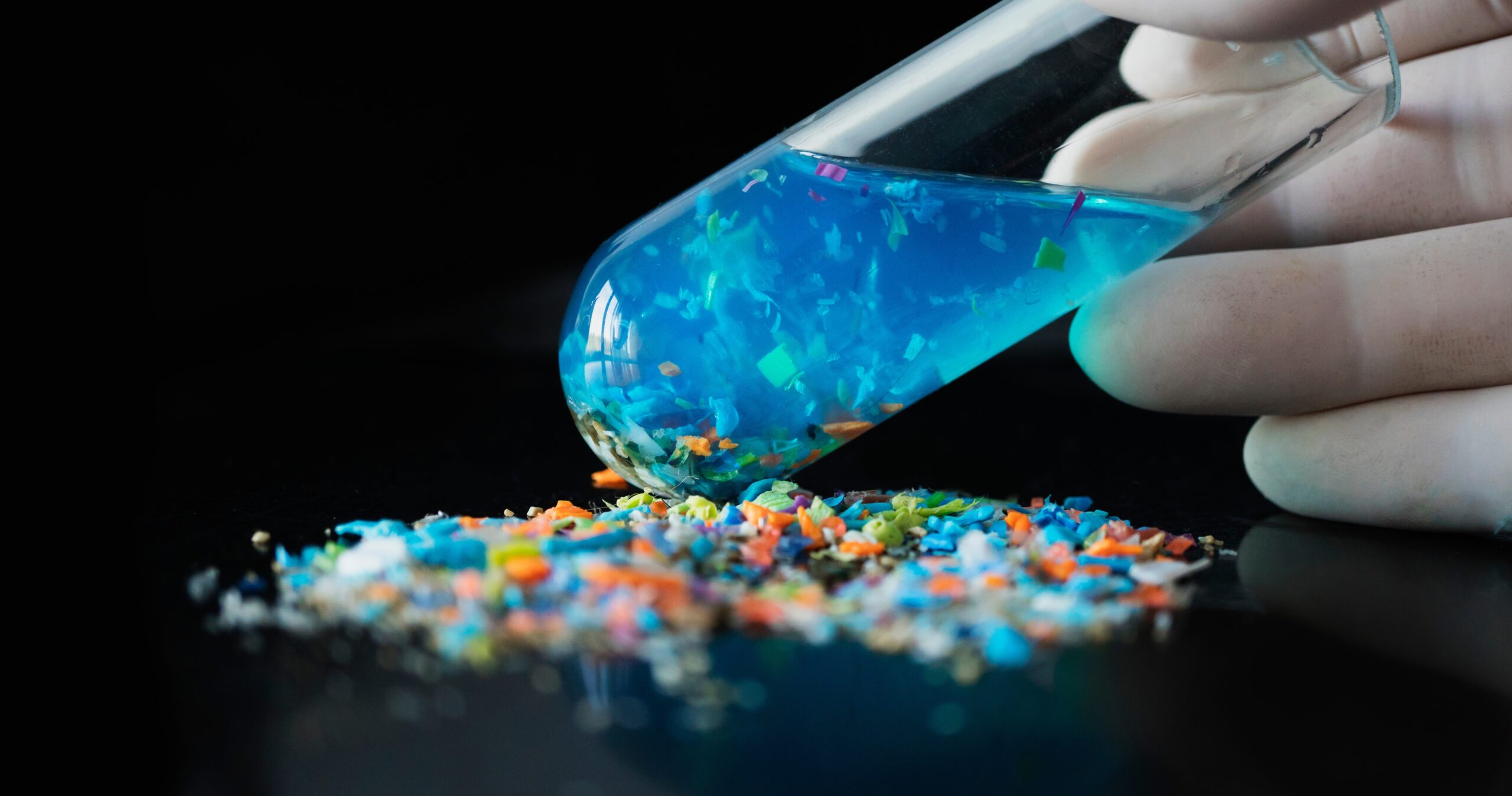
Microplastics are everywhere – in our blood, lungs, guts and even brains. Scientists estimate the average person may carry about 5g of plastic inside them.
New research from Austria found that microplastics can alter gut bacteria in ways linked to depression and cancer. “Reducing exposure where possible is wise,” said Dr Christian Pacher-Deutsch.
Microplastics come from packaging, clothes, tyres and cosmetics. They can pass into our organs and cells. “We’re finding them in almost every tissue,” said neuroscientist Dr Jaime Ross, whose studies suggest microplastics may affect the brain and behaviour.
Other research has found plastic particles in the brains of dementia patients and in arteries of heart disease sufferers. But experts warn it’s too early to know how dangerous they are. “We still don’t know what these numbers mean,” said Prof Stephanie Wright of Imperial College London.
Different types and sizes of plastics likely affect the body differently. Still, many scientists are taking precautions, switching to glass containers and avoiding plastic where possible.
How to Reduce Exposure
- Don’t heat food in plastic.
- Use glass, steel or wood in the kitchen.
- Choose natural fabrics and loose-leaf tea.
- Check cosmetics for plastic ingredients.
- Avoid heavy traffic to reduce airborne microplastics.
We can’t avoid plastic entirely — but small changes may help protect both our bodies and the planet.

