


Immediate Tariff Increase
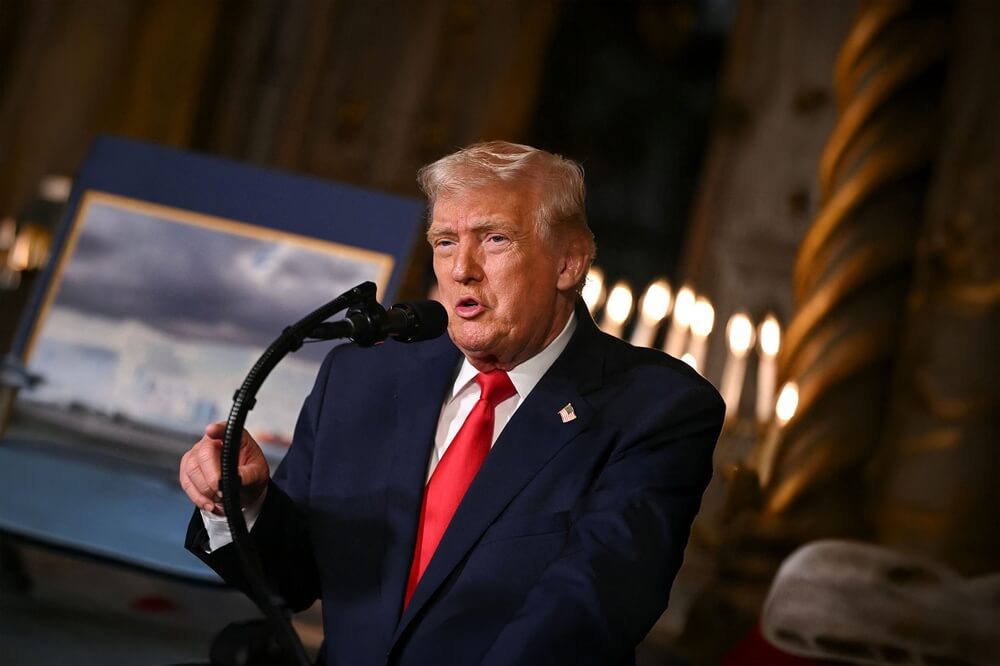
US President Donald Trump announced an immediate rise in global tariffs from 10% to 15%, following a Supreme Court ruling that his previous use of emergency powers to impose tariffs exceeded presidential authority. Trump argued the decision “merely overruled a particular use of IEEPA” and said other legal avenues remain available to maintain and enforce trade measures against foreign countries.
Legal Limits and Alternative Tools
The Supreme Court’s 6–3 ruling emphasized that the Constitution grants Congress—not the president—the power to levy taxes, including tariffs. Chief Justice John Roberts noted that taxing authority was never placed in the executive branch. To continue his trade agenda, Trump cited Section 301 and Section 122 of the Trade Act of 1974, which allow targeted investigations and temporary import surcharges, though both come with stricter timeframes and limitations compared with the previously used emergency powers.
Ongoing Challenges and Economic Concerns
Trump’s tariff strategy has prompted lawsuits from states and businesses challenging its legality. While certain tariffs remain in place, the administration faces constraints under alternative laws, and questions about potential refunds and broader economic impact persist. Critics argue the measures are unpopular amid rising affordability concerns, but the White House insists it will explore all available legal avenues to continue protecting American trade interests.

