


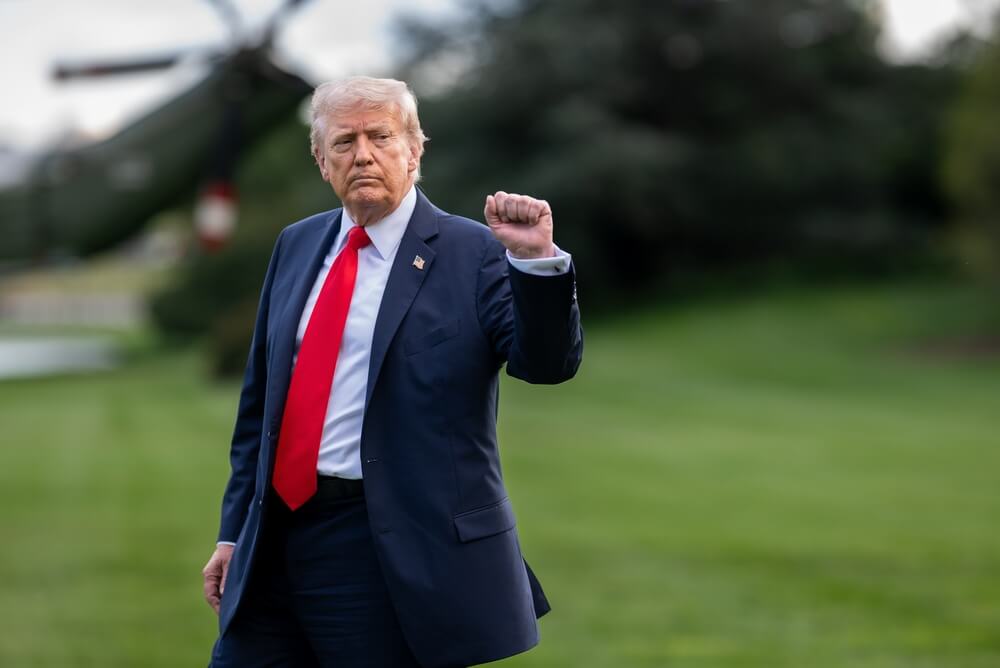
US President Donald Trump said he will be indirectly involved in talks between Iran and the United States starting later Tuesday in Geneva. He spoke to reporters aboard Air Force One and said he believed Iran wanted to reach a deal on its nuclear programme. The second round of talks in Switzerland follows repeated military threats against Iran over its deadly crackdown on anti-government protests and the ongoing dispute over its nuclear programme. On Monday, Iran’s foreign ministry said it believed the US position had shifted toward a more realistic stance.
Talks Focus on Nuclear Programme and Sanctions Relief
Iran said Tuesday’s meeting, mediated by Oman, will focus on its nuclear programme and the potential lifting of US economic sanctions. Washington previously said it wants to discuss other issues, including Iran’s missile stockpile. Trump described the talks as very important and suggested Tehran now feels motivated to negotiate. He said Iran does not want the consequences of failing to reach an agreement.
Trump Recalls Bombing of Iranian Nuclear Sites
Trump said Iran learned the consequences of a tough negotiating stance last summer when the US bombed Iranian nuclear sites. He said the US could have reached a deal instead of sending B-2 bombers to destroy Iran’s nuclear capabilities. He said the US had to send the B-2s and expressed hope Iran will act more reasonably. His threats came amid a US military build-up in the Middle East over recent weeks.
US Military Presence Increases Near Iran
Satellite imagery confirmed the US aircraft carrier USS Abraham Lincoln is near Iran. Reports said the US also sent the USS Gerald R Ford, the world’s largest warship, to the Middle East, with arrival expected within three weeks. Analysts also tracked an increase in US destroyers, combat ships and fighter jets in the region.
Iranian Diplomacy and Military Response
Iran’s Foreign Minister Abbas Araqchi met the UN nuclear watchdog chief on Monday and said he came to Geneva to achieve a fair and equitable deal. He said Iran will not submit to threats. Iran responded to the US build-up with its own show of force, as the Islamic Revolutionary Guard Corps launched a maritime drill in the Strait of Hormuz. The strait serves as a vital international waterway and oil export route for Gulf Arab states.
US Envoys and Cautious Outlook on Deal
Washington dispatched Middle East envoy Steve Witkoff and Trump’s son-in-law Jared Kushner, the White House said on Sunday. US Secretary of State Marco Rubio said reaching a deal with Tehran will be very difficult. He said there is an opportunity to reach a diplomatic agreement but warned the process will be hard.

