


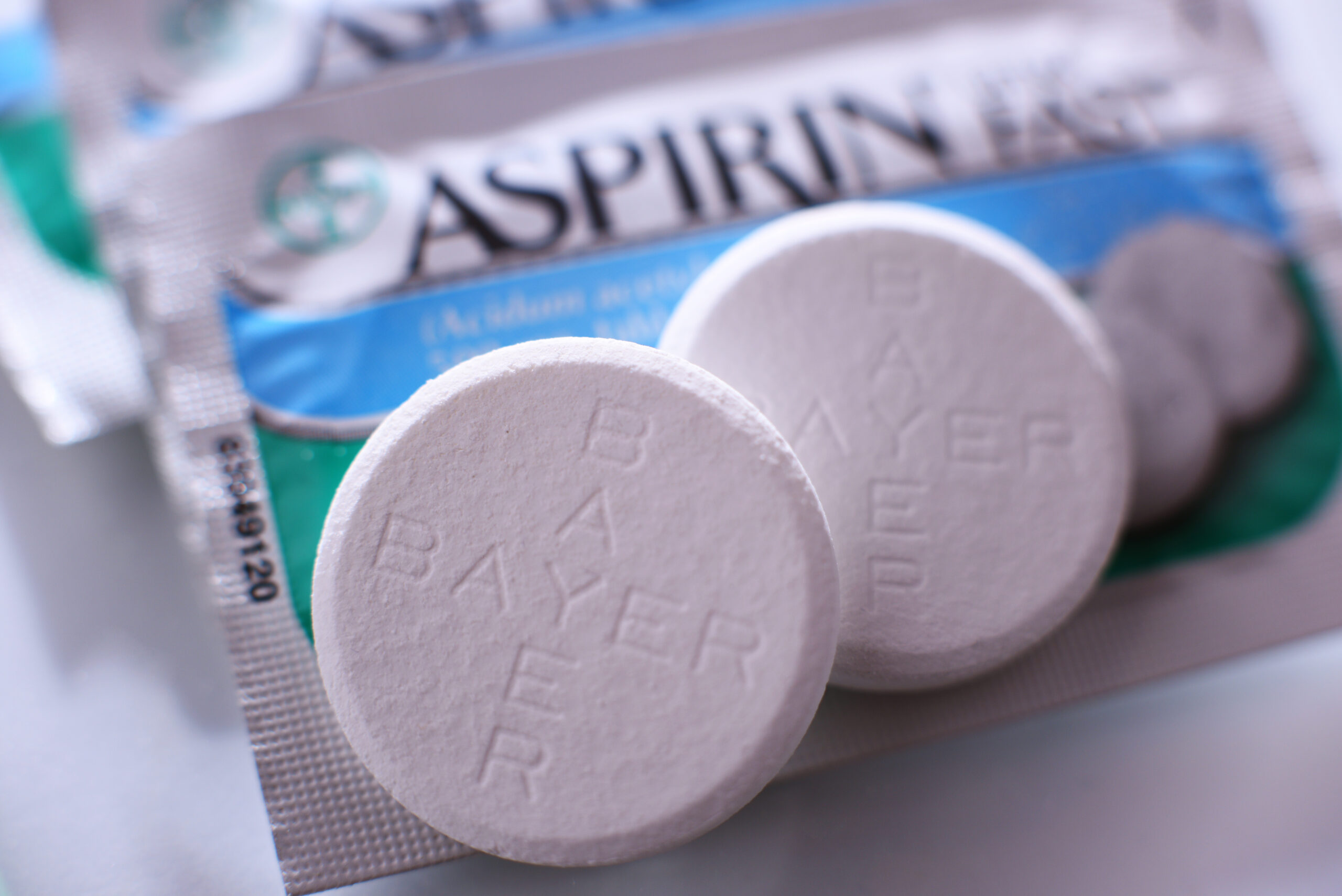
A major Swedish trial has found that a daily low dose of aspirin can cut the risk of colorectal cancer returning by more than half in patients with specific genetic mutations.
Researchers at the Karolinska Institute tested more than 3,500 patients who had undergone tumour removal, with 1,103 found to carry mutations in the PI3K pathway. Those who took 160mg of aspirin daily for three years were 55% less likely to see their cancer return compared with patients on a placebo.
Prof Anna Martling, who led the Alascca trial, said the results could change clinical practice, stressing the importance of genetic testing to identify patients who may benefit. Aspirin is thought to protect by reducing inflammation, disrupting the PI3K pathway, and limiting platelet activity that helps tumour cells evade the immune system.
While aspirin is cheap and widely available, long-term use carries risks, including bleeding complications. Four severe adverse events were linked to the drug during the trial.
Experts say the findings strengthen evidence that low-dose aspirin could play a key role in preventing bowel cancer recurrence in specific groups of patients.

