


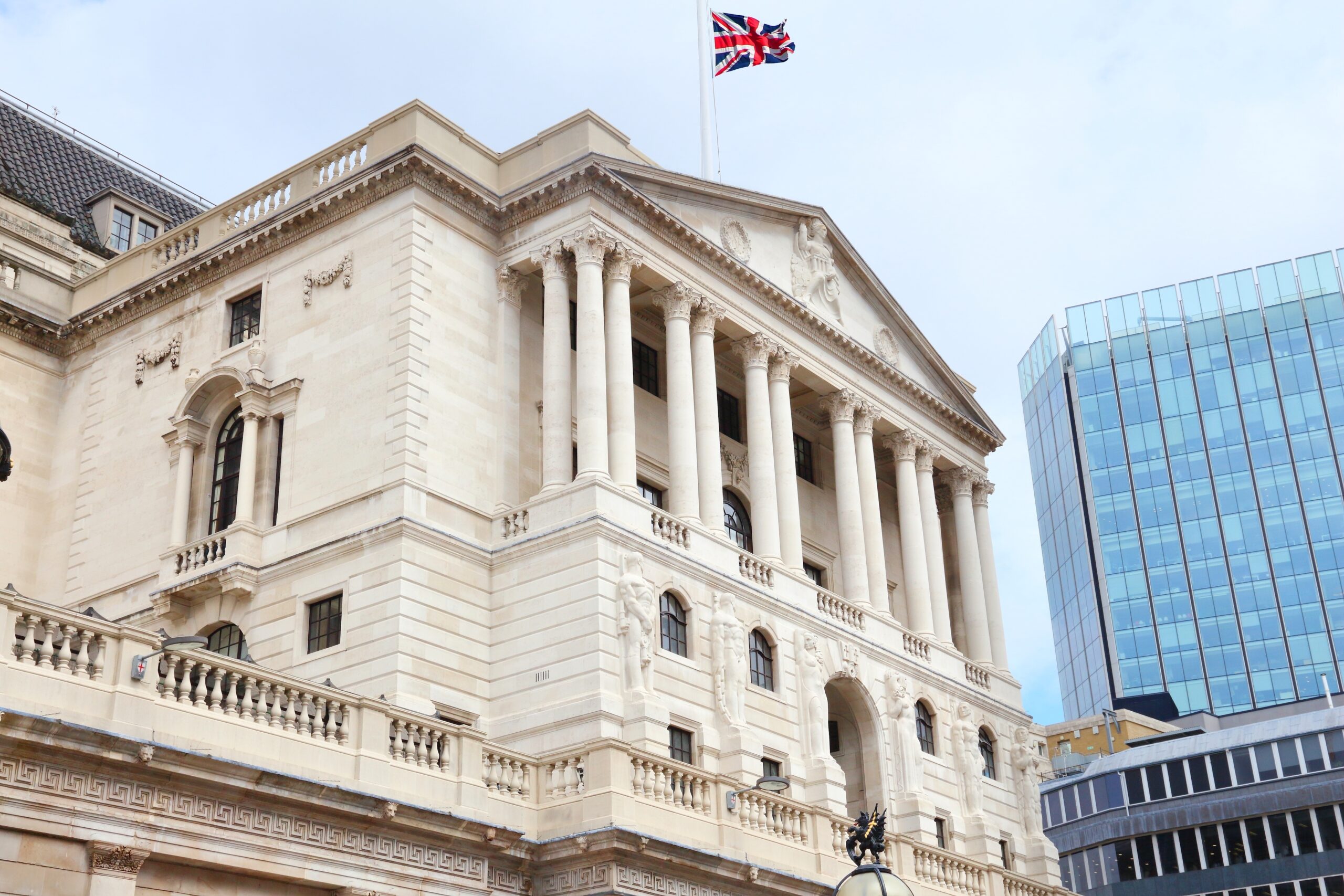
Former members of the Bank of England’s monetary policy committee (MPC) have urged governor Andrew Bailey to scale back or halt the central bank’s bond-selling programme, warning it is worsening pressure on government borrowing costs.
Britain’s long-term borrowing costs are at their highest in 27 years, adding strain on chancellor Rachel Reeves ahead of the autumn budget on 26 November. While global factors such as Donald Trump’s trade war have been blamed, the Bank acknowledged its £100bn quantitative tightening (QT) plan is also pushing up yields.
The Bank is expected to hold its base rate at 4% this week but could slow its bond disposals, which are intended to unwind the £895bn of gilts bought during the financial crisis and pandemic. It has already reduced its holdings by about £100bn in the past year, leaving a £560bn portfolio.
Michael Saunders, a former MPC member, said selling gilts too aggressively risked further volatility, while Sushil Wadhwani called for active sales to be stopped altogether in favour of passive QT. Another ex-member warned not reducing sales would be “tone deaf” given fragile markets.
Scaling back the programme could save the Treasury billions, as bonds are being sold at a loss. The IPPR thinktank estimates a halt to active sales could cut government costs by more than £10bn annually, though holding bonds also carries expenses.
Andrew Sentance, another former MPC member, supported a reduction but stressed the Bank’s priority is controlling inflation, not easing the chancellor’s fiscal challenges.

