


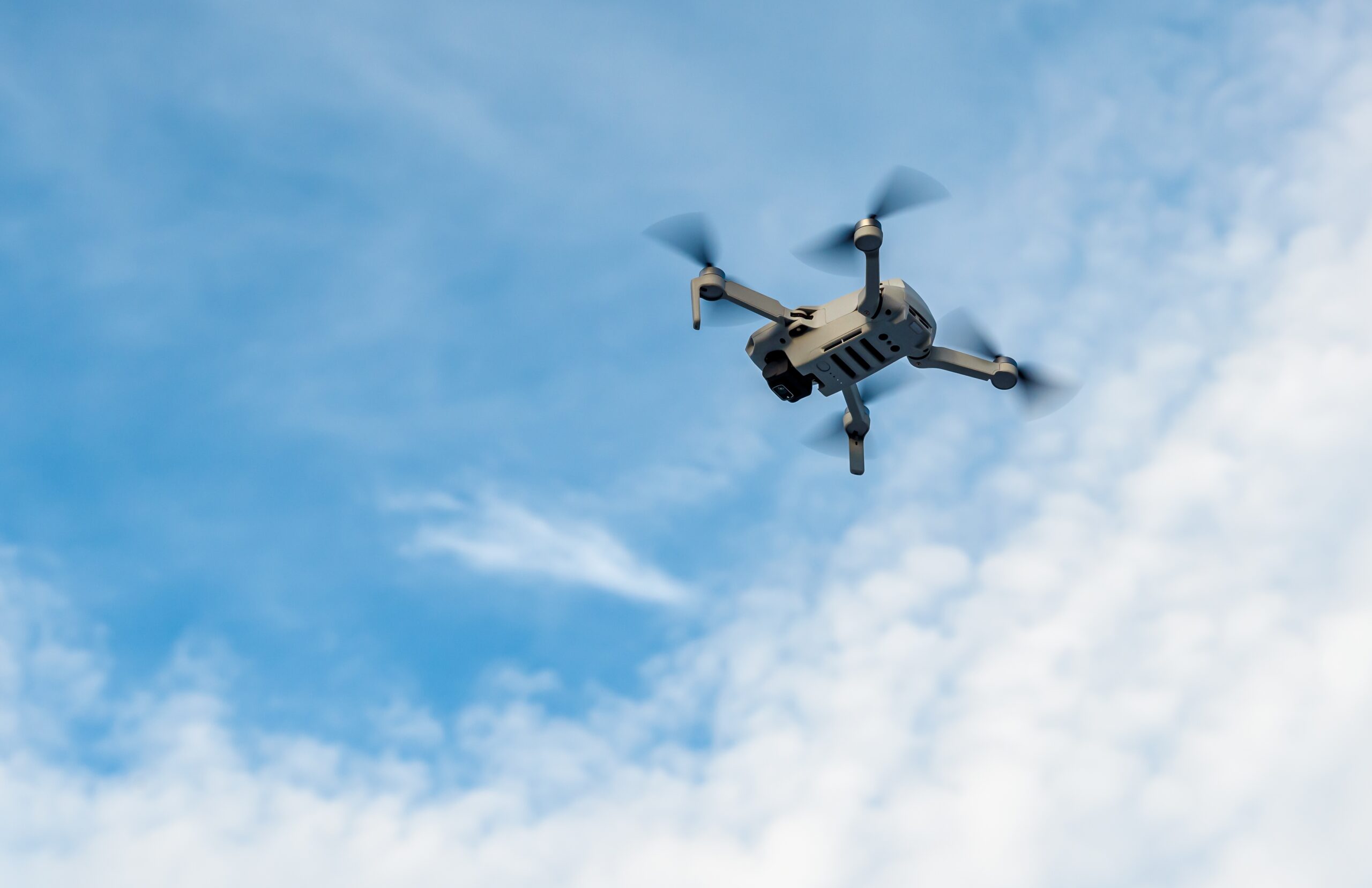
European leaders are weighing the feasibility of a “drone wall” along the EU’s eastern border to counter the growing threat of Russian drones. The project, first championed by the Baltic states, gained momentum after EU Commission President Ursula von der Leyen and defence commissioner Andrius Kubilius called for coordinated action following Russian drones entering Polish airspace.
At the centre of the initiative is Eirshield, a multilayered defence platform developed by Estonian firm DefSecIntel and Latvian company Origin Robotics. The system uses radars, cameras and AI to detect, track and intercept hostile drones, deciding whether to jam, disable or neutralise them with interceptor drones. Already tested in Ukraine, Eirshield is touted as cheaper and more effective against drones than conventional air defence systems designed for missiles.
Adapting the system to NATO standards remains a hurdle. Developers say peacetime use would require greater precision to avoid downing civilian drones, with options such as netting or controlled interceptions under consideration. Crucially, the system would supplement, not replace, existing missile defences.
Funding has been a sticking point. In August, the European Commission rejected a €12m proposal from Estonia and Lithuania, though national governments in the Baltics have committed tens of millions from their own budgets. Demonstrations of the system are planned in the coming weeks, and officials hope the EU will endorse the project more fully as defence ministers prepare to meet.
Would you like me to also add a short section weighing the main challenges (funding, NATO integration, coordination between states) to make it more analytical?

