


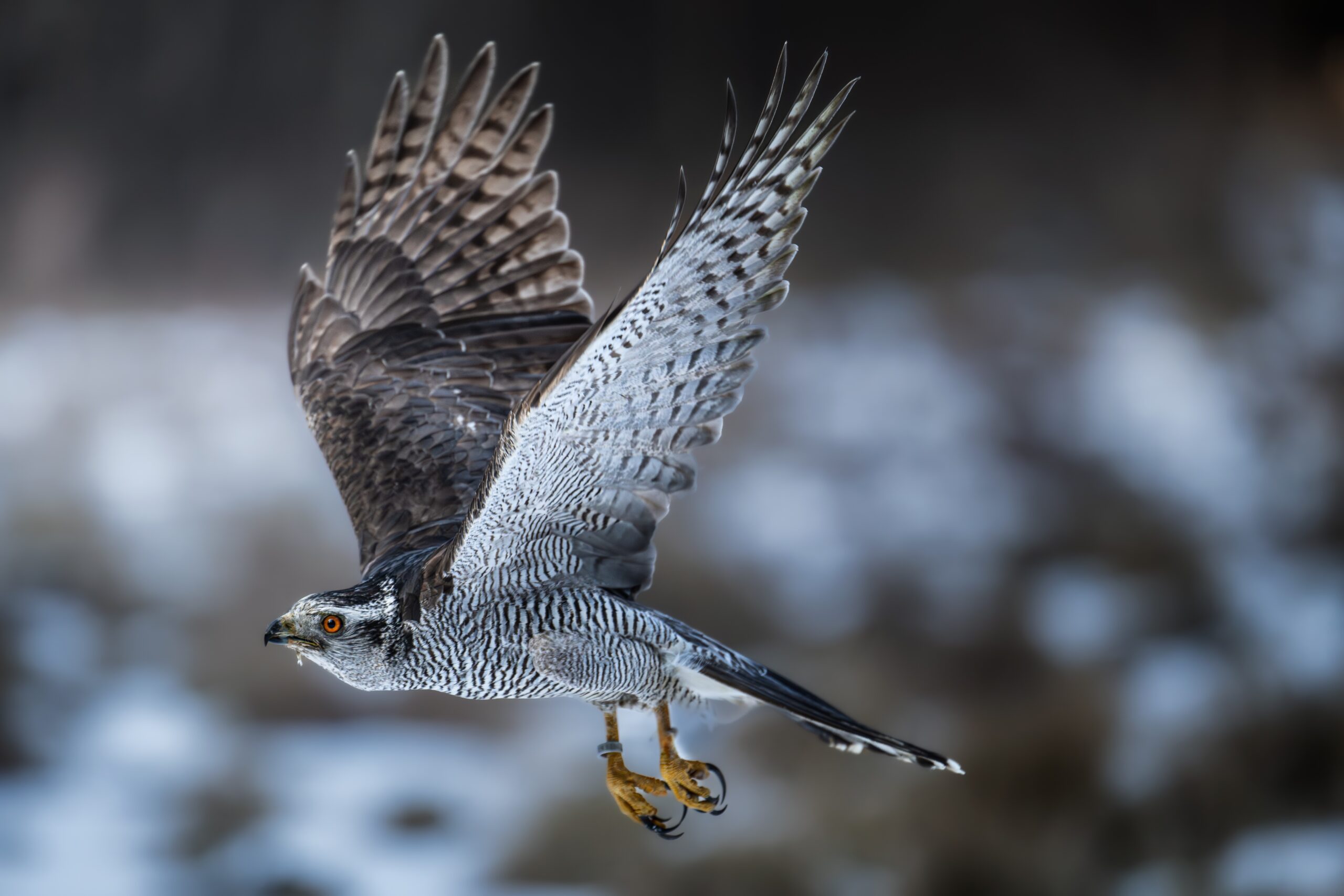
Conservationists are drawing inspiration from Berlin’s thriving goshawk population to bring the apex predator into British cities. Dr Paul O’Donoghue, director of Rewilding UK, hopes to release 15 goshawks each into Chester and London as part of an “assisted colonisation” project.
Once persecuted to near-extinction in the UK, goshawks have rebounded in parts of Europe and adapted well to city life. In Berlin, Amsterdam and Prague, the raptors hunt pigeons in streets and nest in busy parks, seemingly unfazed by traffic or people. “It proves this can be done quickly – without much fuss, but with so much excitement,” O’Donoghue said while observing breeding pairs in Berlin’s Viktoriapark.
The project aims to restore balance to urban ecosystems by controlling mesopredators such as crows, magpies and jackdaws, which prey heavily on smaller songbirds. “It’s what’s called an ecology of fear. Everybody knows the big guys are in town,” O’Donoghue said.
If approved by Natural England, chicks sourced from European nests and UK breeders would be released, fitted with GPS trackers, and supported with food supplies until they adapt. The £110,000 project would mark a bold expansion of rewilding beyond rural landscapes.
Experts remain cautious. Manuela Merling de Chapa, who tracked urban goshawks in Germany, warned rural chicks may struggle to adjust, while Ian Henderson of the British Trust for Ornithology questioned whether the numbers would significantly impact garden bird populations.
O’Donoghue, who has previously worked on wildcat and great bustard reintroduction efforts, insists the psychological benefit of seeing elusive predators in urban parks is worth the risk. “People go to the park to feed pigeons. Soon they’ll be going to see goshawks.”

