


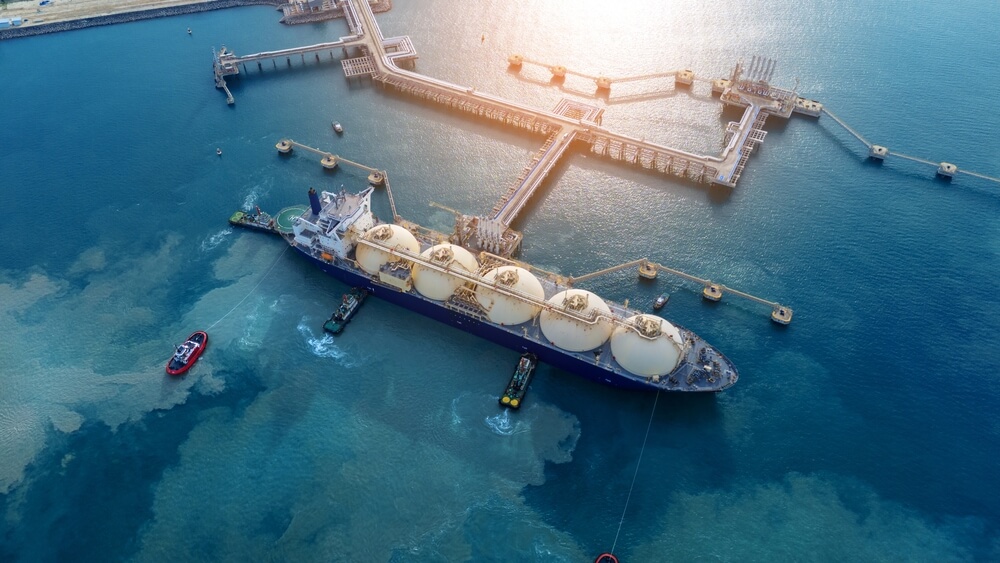
The United States has intercepted another tanker attempting to bypass sanctions on Venezuela, marking the fifth such seizure in recent weeks as Washington increases its naval operations in the Caribbean. The latest vessel, the Olina, was described by US Homeland Security Secretary Kristi Noem as part of a “ghost fleet” — ships allegedly using false identities to transport embargoed oil. Noem emphasized that these vessels “will not outrun justice” and will face consequences for violating international sanctions (euronews).
Intensified Operations Against Sanctioned Oil
The Olina was seized after leaving Venezuelan waters and attempting to evade US forces. Such “ghost ships” are often flagged under false nationalities or registered in countries unrelated to their cargo, making enforcement of sanctions challenging. The US Coast Guard led the seizure, supported by US Marines and Navy personnel, in a coordinated pre-dawn operation launched from the USS Gerald R. Ford, the world’s largest aircraft carrier. Video footage released by the military showed forces rappelling from helicopters to secure control of the tanker, sending a strong message that illegal oil shipments will not find safe harbor (ChannelNewsAsia).
These operations are part of a broader campaign in the Caribbean that includes striking suspected drug-trafficking vessels, monitoring Venezuelan waters, and enforcing strict control over oil exports. Analysts note that the use of ghost fleets has been an ongoing tactic by Venezuelan operators to circumvent US sanctions, but these recent seizures demonstrate the US commitment to aggressive maritime enforcement.
International Tensions and Strategic Messaging
The campaign has not gone unnoticed internationally. One of the seized tankers had alleged Russian links, prompting condemnation from Moscow. These operations, while targeting embargoed oil, also underscore rising geopolitical tensions in the region. President Donald Trump previously announced the blockade and signaled that US forces would continue to interdict sanctioned shipments. According to reports, the US has already taken control of five tankers, including three in the past week alone (InfoMarine).
Trump has further indicated that Washington may maintain oversight of Venezuela’s oil sector for an extended period. In a recent interview, he suggested that US influence could last “much longer” than initially expected, hinting at a sustained strategic approach to the region. Experts warn that this could prolong tensions not only with Venezuela but also with allied nations involved in global oil trade.
Strategic Implications for the Region
The US operations in the Caribbean demonstrate an unprecedented level of naval coordination, combining intelligence, interagency cooperation, and rapid deployment capabilities. By targeting ghost fleet vessels, the US aims to cut off a critical revenue stream for the Venezuelan government while also deterring other nations from attempting similar evasion tactics. However, such operations carry risks, including potential diplomatic friction, maritime accidents, or escalation with foreign powers whose nationals or assets are involved.
As the situation develops, international observers are watching closely to see whether these interventions will effectively enforce sanctions or provoke countermeasures from Venezuela and its allies. The interception of the Olina is not just a tactical seizure but a clear signal that the US is prepared to act decisively against illegal oil transport in the region. The coming months are likely to see continued operations and heightened scrutiny over Venezuela’s maritime oil exports.

