


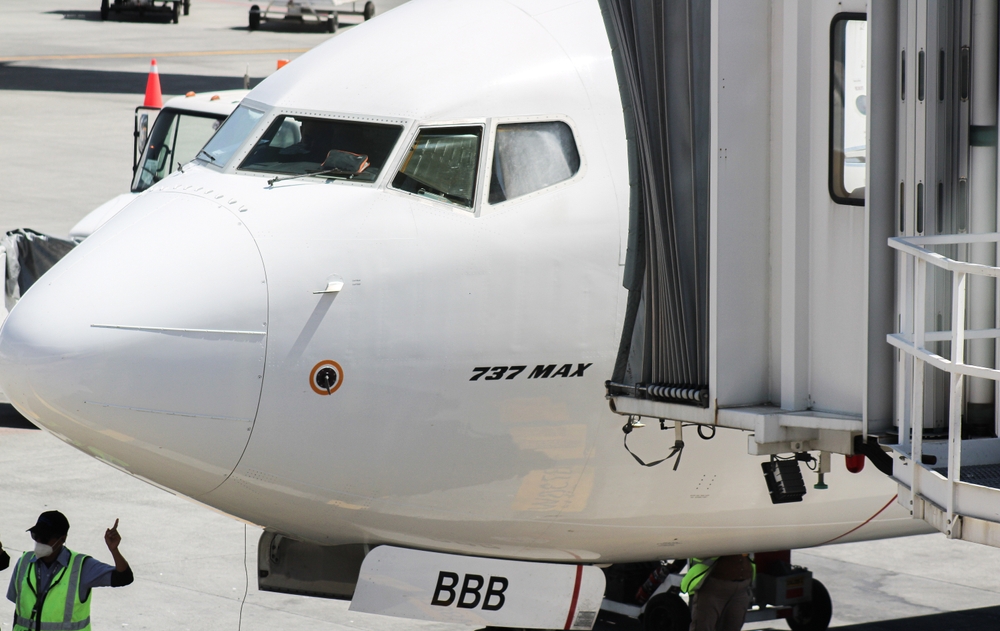
More than 5,000 flights across the United States were cancelled or delayed on Friday after new federal mandates forced airlines to reduce air traffic amid the ongoing government shutdown.
The rules took effect at 40 of the nation’s largest airports to ease pressure on air traffic controllers and other federal employees still working without pay. Many essential workers have called in sick, taken on second jobs, or left shifts early since the shutdown began.
The Federal Aviation Administration (FAA) ordered airlines to cut flights by 4%, a figure expected to rise to 10% next week. Major travel hubs in New York, Los Angeles, Chicago, and Washington DC are affected. The FAA said controllers are showing fatigue while maintaining flight safety standards.
Controllers under pressure as shutdown drags on
Air traffic controllers, deemed essential, must keep working despite not being paid during what has become the longest shutdown in US history. Their unions warn of growing stress, illness, and financial strain among staff.
Transportation Secretary Sean Duffy said international routes remain unaffected because of binding global agreements. Yet he warned the situation could worsen. In a television interview, he said flight cuts may reach 20% if the shutdown continues and more controllers miss work.
Nick Daniels, president of the National Air Traffic Controllers Association, accused lawmakers of turning controllers into political pawns. He warned of escalating risks if the standoff continues. “We’ll keep showing up to protect passengers,” Daniels said. “But we can’t fill our own paychecks. Congress needs to act.”
The shutdown has also disrupted social programmes across the country, including food assistance for low-income families.
Travellers trapped in growing airport turmoil
Airports across the country descended into chaos as delays mounted and travellers searched for alternatives. Airlines such as Delta, United, and American issued fee waivers, refunds, and rebooking options even for passengers whose flights weren’t directly affected.
Joe Sullivan was in an Uber to Reagan National Airport in Washington DC when he learned his flight to Atlanta was cancelled. He was heading to his cousin’s wedding. “I got rebooked for a flight twelve hours later,” he said. “I might make it in time for the ceremony, but I’ll miss everything else.”
Atlanta’s Hartsfield-Jackson Airport, one of the busiest in the world, is among those ordered to reduce flights.
Some passengers turned to trains and buses. One traveller said she bought a $300 train ticket for a seven-hour ride after her short flight was cancelled. Another traveller, Ndenisarya Meekins, said her flight to New York was also scrapped. “We have plans in New York, and it’s nerve-wracking,” she said. “We trust the controllers, but you worry knowing they’re working without pay.”
She added that her sympathy lies with all unpaid airport staff, including security agents. “They’re keeping us safe while facing the same financial pain,” she said.
Ariana Jakovljevic, a federal worker who hasn’t been paid since the shutdown began, said her confidence in the system is fading. “I just started my first real job,” she said. “I thought things would be stable, but now I’m just waiting for a fix.”
Frequent flyer Ben Sauceda said the crisis is testing everyone’s patience. “I trust controllers with my life,” he said. “But expecting them to perform under these conditions is wrong. The government needs to sort this out now.”
Political deadlock deepens in Washington
The 38-day shutdown shows no signs of ending. Lawmakers from both parties have resumed talks, but divisions remain wide.
After weeks without progress, Democrats offered a new funding bill on Friday. It has little chance of passing because Republicans refuse to support it. The Senate needs 60 votes to approve any funding measure, and Republicans hold only 53 seats.
Republicans have repeatedly voted for short-term funding to reopen the government, without success. Democrats refuse to back any plan that excludes healthcare subsidies for low-income Americans. Republicans accuse them of holding the government hostage over unrelated demands.
Senate Majority Leader John Thune said negotiations will continue through the weekend and told senators to stay in town for possible votes. The House of Representatives remains out of session.
President Donald Trump again suggested removing the Senate filibuster rule, which requires 60 votes for most bills, allowing Republicans to pass funding without Democratic support. Lawmakers from both parties rejected the idea.
Still, Trump renewed his call on Friday. “If they can’t reach a deal, Republicans should end the filibuster and take care of our great American workers,” he wrote on Truth Social.

