


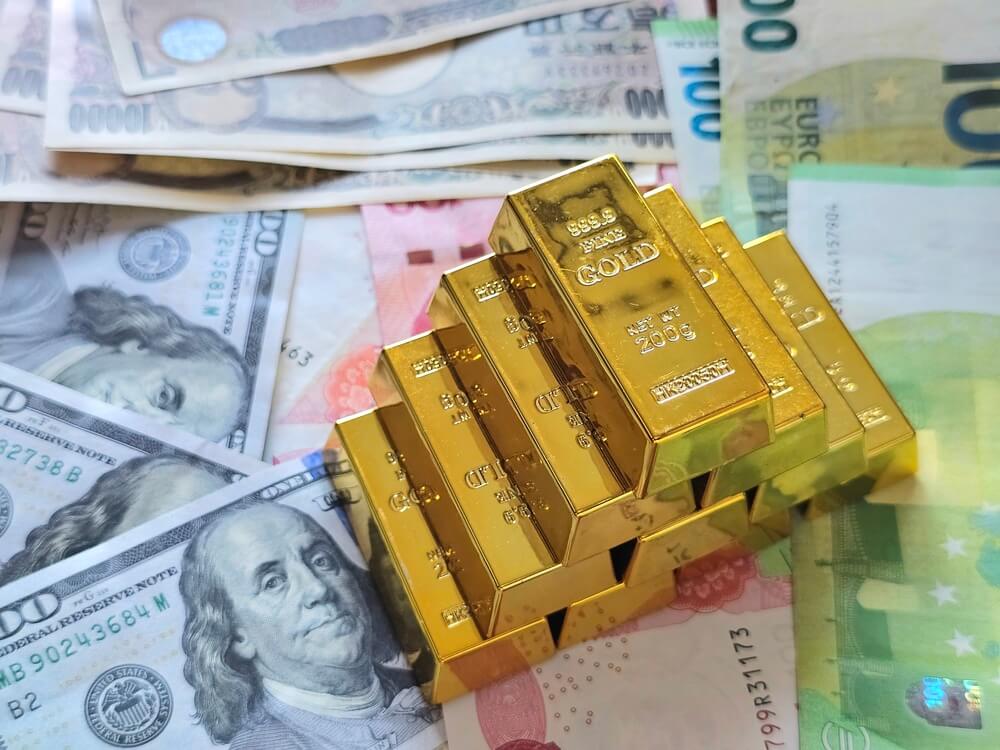
The National Bank of Poland (NBP) has boosted its gold holdings to roughly 550 tonnes, valued at over €63 billion, signaling a major step in the country’s financial strategy. NBP President Adam Glapiński has long emphasized the role of gold as a cornerstone of reserve stability—an asset that carries no credit risk, is unaffected by other countries’ monetary policies, and withstands financial shocks. The ultimate goal is to reach 700 tonnes, with bullion reserves totaling around PLN 400 billion (€94 billion).
A Rapid Shift in Reserve Composition
Gold’s share of Poland’s foreign reserves has risen dramatically. In 2024, bullion made up just 16.86% of reserves, but by the end of December 2025, it had jumped to 28.22%, one of the fastest shifts among central banks globally. Most acquisitions occurred in the latter months of 2025 amid heightened market volatility and geopolitical uncertainty. Glapiński has confirmed plans to further increase the gold share, aiming to strengthen Poland’s economic resilience even more.
Following a Global Trend
Poland’s actions mirror a wider movement among central banks worldwide. According to the World Gold Council, 2025 saw central banks continue to add to their gold holdings as a hedge against currency and financial crises. Almost all surveyed banks expect further increases in the coming year. Marta Bassani-Prusik of the Mint of Poland explains that gold is prized for its independence from monetary policy and credit risk, as well as for diversifying reserves and reducing reliance on the dollar. Analysts also note that some countries, including China and Russia, may be quietly stockpiling gold as part of broader financial strategy shifts.
Outpacing the ECB Amid Record Prices
Poland now holds more gold than the European Central Bank, whose reserves stand at around 506.5 tonnes. While the ECB oversees eurozone monetary policy, its bullion holdings are limited, making Poland’s 550 tonnes a notable statement of economic strength in Europe. Critics argue that the funds could have been invested in income-generating assets like bonds, but the NBP views gold as a long-term security measure. Record gold prices in 2025, along with forecasts for 2026 ranging from $4,150 to $5,300 per ounce, underscore its continuing appeal.
For the NBP, gold is about protecting the nation’s financial future, particularly amid geopolitical tensions and market uncertainty. While some economists caution that a heavy allocation to gold may reduce flexibility, Poland’s ongoing purchases suggest it intends to remain a leading player in the global gold strategy.

